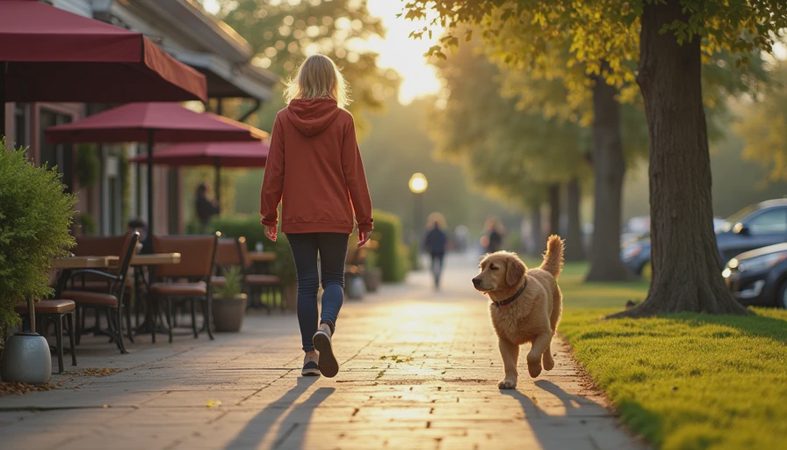
Ziggy was crouched beneath a picnic table, trembling hard enough to rattle his tags, while I stood nearby holding a perfectly ordinary leash and wondering where I had gone wrong. We had chosen what looked like one of the best Dog-Friendly Spots in Austin. It had shade, water, and plenty of room. What it did not have was the quiet, predictable environment my anxious terrier mix needed.
That afternoon taught me a lesson I now repeat to clients: a place is not truly dog-friendly just because dogs are allowed there. A useful outing accounts for your dog's nervous system, communication, recovery time, and ability to leave. Respect the dog means evaluating the whole experience, not chasing an Instagram-worthy walk.
What Makes Dog-Friendly Spots Actually Friendly?
A welcoming location starts with manageable stimulation. Look for clear paths, room between people, reliable shade, accessible water, and an easy route back to your car. A patio packed with barking dogs, clattering dishes, and strangers reaching over tables may suit a confident social dog while overwhelming a cautious one.
Before visiting, ask practical questions. Are dogs required to remain on leash? Is there a separate entrance? Can you sit at the edge rather than in the middle of activity? Are busy periods predictable? A business or park that answers clearly is giving you useful information about the environment.
I also look for escape options. If your dog freezes near a playground, can you turn around without squeezing past a crowd? If another dog rushes toward you, is there a wide shoulder or quiet side path? The best Dog-Friendly Spots give both of you choices.
Watch the ground, too. Broken glass, hot pavement, discarded food, and narrow gates can turn a pleasant destination into a management problem. Bring water, high-value treats, waste bags, and a properly fitted harness. Preparation is not overprotective; it is how you reduce preventable stress.
Read Your Dog Before You Arrive
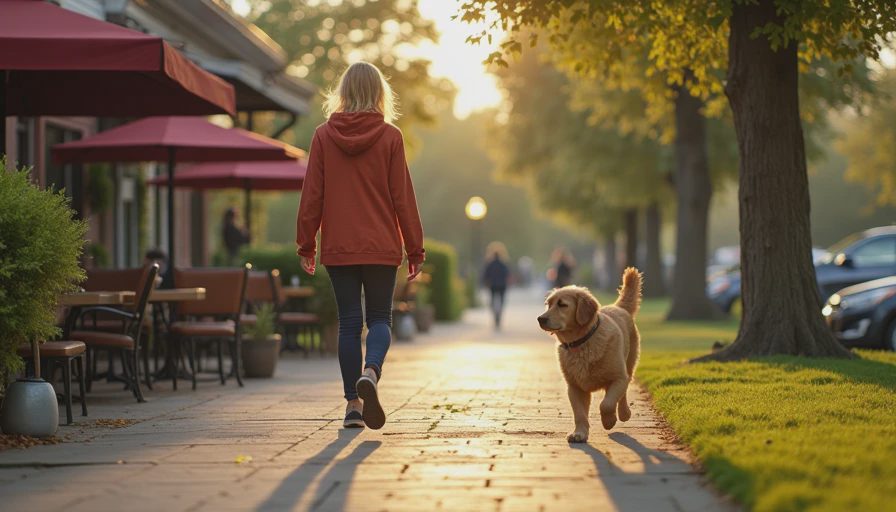
Your dog will often tell you whether an outing is working before a growl or lunge appears. Loose movement, soft eyes, normal sniffing, and the ability to take food usually suggest your dog is coping. A closed mouth, tucked tail, weight shifted backward, frantic scanning, lip licking, or sudden refusal of treats deserves attention.
These signals are not a behavior scorecard. They are information. Researcher Alexandra Horowitz has written extensively about how much ordinary human interpretation misses in canine behavior, while veterinary behavior research consistently emphasizes context and body language rather than isolated gestures. A wagging tail alone does not prove comfort; arousal can produce wagging, too.
Use a simple traffic-light system. Green means your dog can sniff, eat, move, and respond to you. Yellow means the environment is becoming difficult: increase distance, lower your expectations, and offer a quiet pause. Red means your dog is over threshold, so leave calmly rather than waiting for a bigger reaction.
When comparing Dog-Friendly Spots, prioritize recovery over novelty. If your dog needs ten quiet minutes in the car afterward, that is valuable data. If a five-minute visit ends with relaxed sniffing and a nap at home, it may be a better training opportunity than an hour-long adventure.
A Practical Outing Plan for Anxious Dogs
Start with the least complicated version of the trip. Visit a location during its quietest period and stay for only ten or fifteen minutes. Park where your dog can see the surroundings before getting out. Let your dog sniff near the car instead of pulling directly toward the entrance.
Bring a treat your dog will reliably eat at home, but do not use food to lure your dog toward something frightening. Luring can pull a worried dog closer than they are ready to be. Instead, reward voluntary choices: looking at a person and then looking away, walking past a bicycle with a loose leash, or checking in after hearing a sudden noise.
Have an exit phrase that means very little drama. I use “this way,” turn my shoulders, and move in a steady direction. Practice it in easy places first. A practiced exit is especially useful at Dog-Friendly Spots where another dog may appear around a corner.
Do not measure success by greetings. A dog can have a wonderful outing without meeting anyone. Sniffing, observing from a distance, resting under a chair, and leaving before panic are all legitimate wins. Social confidence is not the same thing as enjoying constant interaction.
Choosing Between Common Dog-Friendly Outings
A quiet nature trail can offer distance and natural sniffing, but check whether the path is narrow or popular with off-leash dogs. A garden center may provide brief exposure to people and novel smells, though carts, dropped objects, and tight aisles can be challenging. A dog-friendly cafe patio can work for a settled dog if tables are spaced apart and staff understand that not every dog wants to say hello.
Retail areas are often harder than they appear. Automatic doors, polished floors, music, and shoppers moving unpredictably create multiple triggers at once. Start with a short walk outside the entrance rather than going inside. You can build from standing near the location to entering for one calm minute.
Dog-Friendly Spots near water deserve extra caution. Ponds, docks, and creek edges may contain slippery surfaces, wildlife, fishing hooks, or strong smells that increase excitement. Keep the leash secure, avoid forcing a fearful dog into water, and give your dog space from children who are running or yelling.
If your dog has a history of lunging, guarding, or panic, choose open spaces with excellent visibility. A behavior consultant can help you design a gradual exposure plan. Your veterinarian can also discuss whether medication support might be appropriate for severe anxiety; do not borrow medication or diagnose the problem from an online checklist.

The Car Ride Is Part of the Experience
Many guardians evaluate a destination while ignoring the drive. If your dog pants, drools, vocalizes, or scrambles during car trips, the outing begins before you reach the first trail. Secure your dog with a crash-tested harness or travel crate, keep the temperature comfortable, and avoid making every drive lead to a stressful place.
Practice short, boring rides that end somewhere safe. Sit in the parked car, start the engine, drive around the block, and return home before adding distance. A towel with a familiar scent can help the setup feel predictable, but it cannot replace gradual practice.
When you arrive at Dog-Friendly Spots, pause before opening the door. Check the surroundings and decide whether the crowd, noise, and weather match your plan. A canceled outing is not a failure. It is a reasonable response to new information.
A Better Definition of a Successful Day
The most useful Dog-Friendly Spots are not necessarily the trendiest, largest, or most photographed. They are places where your dog can remain under threshold, make choices, and recover easily. Sometimes that means a quiet sidewalk, an empty park corner, or a coffee shop patio visited for twelve minutes.
Keep a simple outing log with the location, time, weather, triggers, distance from other dogs, and recovery afterward. Patterns will emerge. You may discover that your dog manages people well in cool weather but struggles on hot pavement, or that late morning is calmer than Saturday afternoon. Those details let you choose with evidence rather than hope.
Ziggy still has opinions about crowded patios. These days, I listen sooner. We find the edge, scatter a few treats for sniffing, and leave while he is still capable of walking loosely beside me. That is not limiting his life. It is building a life he can actually participate in.
Choose Dog-Friendly Spots for the dog in front of you, not the dog you imagine you should have. Go slowly, notice the small signals, and let safe repetition do the teaching. Respect the dog.