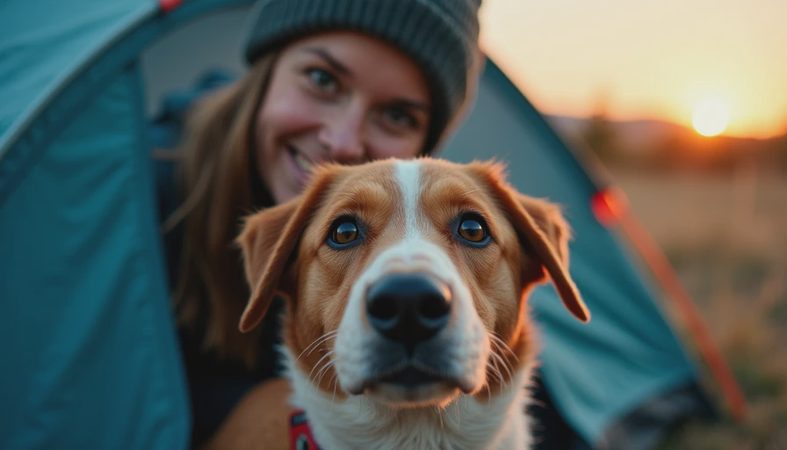
Ziggy was under the picnic table, shaking, while a family two sites over opened a bag of charcoal. I had imagined dogs and camping as muddy paws, a cozy blanket, and a terrier happily supervising breakfast. Instead, I had a dog scanning every movement, refusing treats, and trying to climb into my lap while I pretended everything was fine. It was not fine, and that was useful information.
A successful trip starts by respecting the dog in front of you, not the outdoor dog you hoped to bring. Some dogs love sleeping under the stars. Others find unfamiliar smells, crackling fires, strange voices, and limited escape routes overwhelming. With thoughtful preparation, dogs and camping can work for anxious rescues, senior dogs, and energetic young dogs alike.
Decide whether your dog is ready
Camping is not a behavior test, and a first trip should not be the place where you discover that your dog panics around tents. Watch what happens during smaller practice experiences first. Can your dog settle on a mat in a quiet park? Can they eat a few treats near distant bicycles or voices? Can they walk on a long line without repeatedly pulling toward every scent? Can they recover after a surprise, such as a dropped pan?
Green-light signs include loose body language, normal eating, regular bathroom habits, and the ability to sleep after activity. Yellow-light signs include constant panting, scanning, hiding, repeated barking, or refusing familiar food. Red-light signs include attempts to escape, freezing, snapping, or prolonged panic. A red-light response means change the plan, not tighten the leash and push through.
Try a backyard tent night, a quiet afternoon at a friend’s property, or a short picnic with an easy exit. Keep notes on triggers and recovery time. In my own planning, I use a simple rule: if Ziggy cannot settle within a familiar low-pressure setup, a busy campground is not the next experiment.
Pack for regulation, not just survival
The best dogs and camping checklist includes ordinary comfort items that make the environment more predictable. Pack a well-fitted harness, a six-foot leash, identification tags, a backup leash, waste bags, water, a collapsible bowl, food, a familiar bed or mat, and a lightweight blanket. Bring a long line only where campground rules allow it, and never tie a dog out unattended.
Add a flashlight or reflective collar for nighttime visibility, a basic first-aid kit, tweezers for possible plant material, paw protection if your dog tolerates it, and a towel. Store food in a secure container rather than leaving it beside the tent. A GPS tracker can be useful, but it is not a substitute for physical identification and careful management.
Familiar scent matters. Maple sleeps more soundly when her old fleece blanket comes along, even if it smells like home and not adventure. Do not wash every comfort item immediately before leaving. The point is to provide a known sensory anchor in an unfamiliar place.
Before departure, confirm campground rules, leash requirements, wildlife guidance, weather conditions, and nearby veterinary access. Pack enough food for the entire trip plus extra for delays. If your dog takes prescribed medication, ask your veterinarian about travel timing and storage rather than changing anything yourself.
Build a predictable camp routine
Dogs and camping becomes easier when the day has a recognizable rhythm. Offer a quiet sniff walk after arrival, then let your dog investigate the campsite on leash. Give them water and a chance to rest before setting up every chair, stove, and sleeping arrangement. Too much novelty at once can turn excitement into frantic behavior.
Use a designated rest area away from the fire, cooking space, and foot traffic. Reward voluntary check-ins, soft eyes, loose muscles, and choosing the mat. Do not demand a perfect down-stay while your dog is worried. A chew, scatter of kibble, or food puzzle can help, but only if your dog is still willing to eat.
Keep greetings optional. A dog who approaches a stranger is not necessarily asking to be touched. Say, “We are training, please give us space,” and position your body between your dog and visitors when needed. This is not rude. It is good information management.
At night, keep the dog inside the tent or vehicle only if they are comfortable there and the setup is properly ventilated and temperature-safe. Never leave a dog alone in a hot car or enclosed space. Secure zippers and check the campsite before bedtime so a sudden wildlife scent does not become an escape opportunity.
Handle trails, wildlife, and other campers
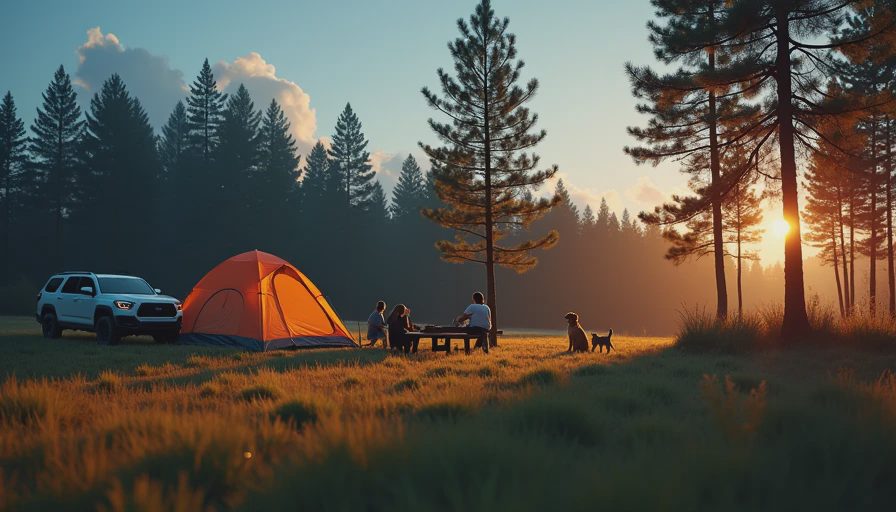
The safest version of dogs and camping uses distance as a training tool. Choose wide trails with clear visibility for a reactive dog, and step aside before another group gets close. Feed treats when your dog notices a person, dog, bike, or horse at a manageable distance, then move away before the reaction grows.
Do not allow greetings with every passing dog. Leashes can make normal social choices harder because a dog cannot create space easily. If your dog stiffens, turns away, licks their lips, or repeatedly looks back at you, increase distance. Those early signals are valuable communication, not disobedience.
Wildlife deserves special planning. Keep your dog close in areas with deer, snakes, bears, or other animals, and follow local food-storage rules. Do not let a dog chase squirrels or investigate animal remains. Chasing can become self-reinforcing, while eating something unidentified can create a veterinary emergency.
Heat and cold change risk quickly. Offer water frequently, avoid the hottest part of the day, inspect paw pads, and watch for heavy panting that does not ease with rest. Shivering, weakness, confusion, vomiting, or collapse requires urgent veterinary attention. When the weather is questionable, the smart choice may be a shorter outing or a comfortable home day.
A practical first-trip plan
For dogs and camping, a one-night trip close to home is usually more useful than an ambitious weeklong expedition. Arrive during daylight. Walk the perimeter calmly. Set up the rest area first. Feed a familiar meal instead of introducing exciting new treats. Schedule quiet time before dinner, and keep the evening boring enough for sleep.
Use this quick check before leaving the campsite:
- Is the leash or harness secure and free of damage?
- Has your dog drunk water and had a bathroom break?
- Are food, trash, and scented items stored safely?
- Can your dog rest without constant barking, pacing, or escape attempts?
- Do you know the fastest route to veterinary help?
If the answer to the fourth question is no, take that seriously. You can pack up early, sit in the car while your dog decompresses, or go home. Ending an outing is not failure; it is an accurate response to your dog’s experience. My most useful camping lesson was not teaching Ziggy to love every outdoor setting. It was learning to notice when he had reached his limit before asking for more.
Dogs and camping should leave both of you with more trust, not a dramatic story about surviving the weekend. Start small, keep choices available, and measure success by recovery, rest, and safety rather than photographic perfection. Respect the dog.