The first week of puppy training can feel like living with a tiny, sleep-deprived tornado. There is a damp spot on the rug, a shredded phone charger, and a puppy who has decided your ankle is the finest chew toy in Austin. I remember standing in my kitchen with Ziggy, then a scruffy terrier mix, wondering whether I had made a spectacularly bad decision. I had not. I simply needed a better plan.
Puppies are not trying to dominate your household or make you late for work. They are immature animals learning how a human home works. Good puppy training teaches skills while also managing the environment, meeting biological needs, and protecting the relationship. Respect the dog is not a soft alternative to structure; it is the foundation that makes structure effective.
Start with management, not correction
Before teaching a cue, make the right behavior easier. Use baby gates to limit access, keep shoes and laundry in closed baskets, and clip a lightweight leash to your puppy during supervised awake time. A crate or pen can provide a safe resting area, but it should never be used as punishment or as an all-day storage unit.
Sleep is a major part of puppy training. Young puppies often need far more rest than their frantic behavior suggests. A puppy who has been awake too long may bite harder, sprint through the house, or ignore food that normally matters. That is not a character flaw; it is useful information. Offer a quiet nap before escalating your response.
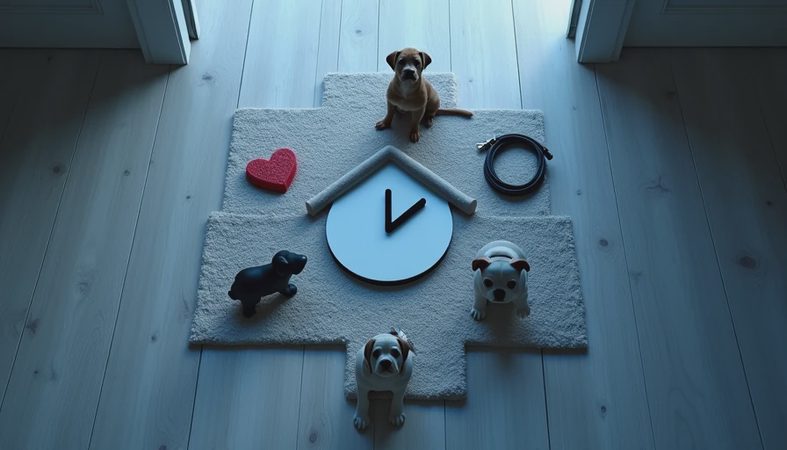
Build a simple daily rhythm around waking, eating, toileting, play, short learning sessions, and sleep. Predictability lowers the number of decisions your puppy has to make. It also gives you clues. If accidents happen after vigorous play, take the puppy outside immediately after play rather than waiting for a mistake.
For the first several days, write down wake-up times, meals, naps, bathroom trips, and notable behavior. My product-manager brain loved this spreadsheet more than it probably should have. The point is not perfection. The point is finding patterns before frustration turns into guesswork.
Potty habits and biting: two common pressure points
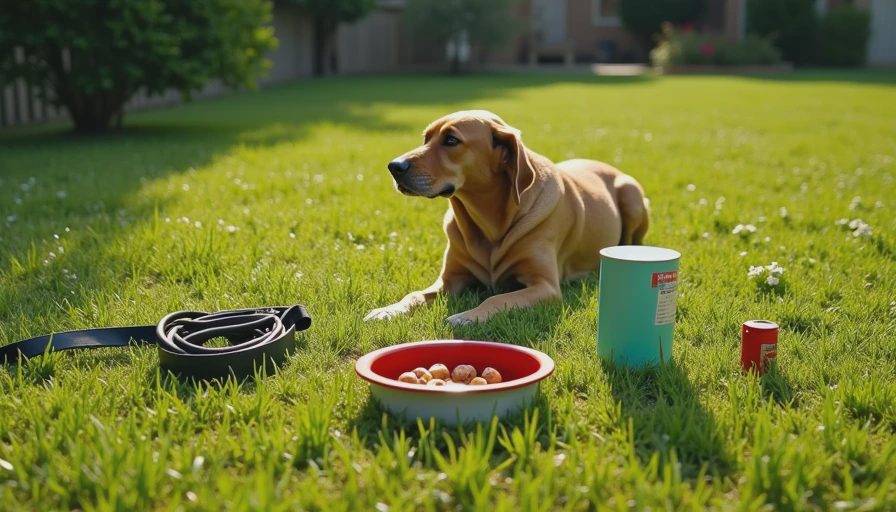
Successful potty training is mostly about timing and supervision. Take your puppy out after waking, eating, drinking a lot, playing, and exciting social moments. Choose one bathroom area, wait quietly, and reward immediately after the puppy finishes. The reward should arrive within a few seconds so the connection stays clear.
If an accident happens, clean it with an enzymatic product designed for pet messes. Ordinary soap can leave odors that invite repeat visits. Do not scold after the fact; a puppy cannot connect your later anger with a puddle from ten minutes earlier. If accidents are unusually frequent, painful, or accompanied by changes in thirst or energy, call your veterinarian.
Biting is another normal developmental behavior that still needs boundaries. Keep a toy within reach and calmly redirect teeth from skin to an appropriate object. If the puppy keeps grabbing clothing, pause the interaction, create a little distance, and offer a quiet activity such as a stuffed food toy. Avoid wrestling with hands, yelling, or physically forcing the mouth closed. Those responses can increase arousal or make handling feel unsafe.
A useful puppy training goal is not “never use your mouth.” It is learning what belongs in your mouth, how much pressure is acceptable, and how to settle when play ends. Reinforce soft interactions generously. A quiet chew beside your chair deserves attention too, even when the dramatic antics are more entertaining.
Teach useful skills in tiny sessions
Keep early puppy training sessions short enough that your dog can succeed. One to three minutes is plenty for a very young puppy. Start with their name: say it once, and when they turn toward you, deliver a small treat. Repeat in a low-distraction room, then gradually practice in a hallway, yard, or quiet outdoor space.
For a reliable recall, begin indoors. Say a cheerful cue such as “here,” move backward, and reward your puppy for following. Never use the recall cue to end every enjoyable activity, deliver a bath, or do something unpleasant. Sometimes call, reward, and release the puppy back to play. That history makes coming to you worth it.
Teaching a mat settle is equally practical. Place a bed near you, drop treats onto it whenever your puppy steps on it, and quietly reward softer body language. Over time, reward lying down and longer pauses. This is puppy training for real life: eating dinner, answering a work call, or drinking coffee without a canine acrobat launching from the sofa.
Use reward-based methods consistently. Research by Vieira de Castro and colleagues, published in 2020 in PLOS ONE, found associations between aversive training methods and indicators of stress and poorer welfare. You do not need to frighten a dog into learning. Clear reinforcement, good timing, and thoughtful management are demanding enough—and kinder.
Socialization means safe exposure, not forced greetings
Socialization is often misunderstood as meeting as many people and dogs as possible. A better definition is helping a puppy experience ordinary life without becoming overwhelmed. That includes elevators, car rides, different floor textures, umbrellas, doorbells, grooming tools, friendly adults, and calm dogs selected for appropriate play.
Watch the whole puppy, not just the tail. A loose body, easy eating, and voluntary investigation suggest the experience is manageable. Freezing, hiding, frantic pulling, repeated yawning, tucked posture, or refusal of food mean you should increase distance or end the session. Do not lure a frightened puppy toward the scary thing. Give the dog agency and try again later at a lower intensity.
Puppy training should include handling practice in tiny doses. Touch an ear, feed a treat, and stop. Lift a paw, feed a treat, and stop. Present a brush, reward looking at it, and put it away. These rehearsals can make future veterinary and grooming care less startling. If your puppy is not fully vaccinated, ask your veterinarian how to balance disease risk with safe social exposure rather than isolating completely.
When progress stalls
Behavior rarely improves in a straight line. A puppy may sleep calmly for three nights and then have a difficult evening after a busy day. A new houseguest, teething, a missed nap, or a change in routine can temporarily reduce skills. Look first at context: was the task too hard, was the reward too weak, or was the puppy tired, hungry, frightened, or overstimulated?
Lower the difficulty instead of repeating a cue louder. Move farther from the distraction, shorten the session, increase the value of the treat, or return to a familiar room. If guarding, intense fear, separation distress, or repeated aggressive behavior appears, contact your veterinarian and a qualified reward-based behavior professional. A certified consultant can help you build a plan without labeling the puppy as bad.
I still remember the carpet stain that finally made me cry during Ziggy's first month. What helped was not a magic command. It was a log, a gate, an earlier bathroom trip, and the humility to notice that my plan had been too hard. That is the heart of humane puppy training: observe, adjust, and keep the dog safe enough to learn.
A practical first-week plan
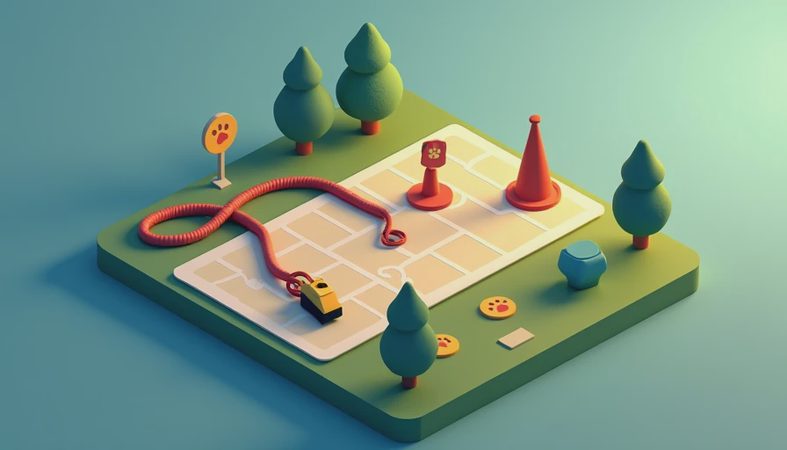
On day one, prepare the pen, enzyme cleaner, food toys, treats, and a notebook. On day two, reinforce the name and reward every voluntary check-in. On day three, practice brief handling and a calm trip outside. On day four, introduce the mat for several seconds at a time. On day five, expose your puppy to one new sound or surface at a comfortable distance. On day six, practice recall indoors and release back to play. On day seven, review your notes and choose one skill to make easier, not harder.
This sequence is not a race or a promise that every puppy will follow the same calendar. It is a way to replace frantic improvisation with repeatable experiments. Celebrate the quiet moments: the puppy who looks at you before grabbing the sock, settles after play, or walks away from a tempting cable. Those small choices are the building blocks of a trustworthy adult dog.
Puppy training works best when you teach the behavior you want, prevent rehearsal of the behavior you do not, and treat fear as communication rather than defiance. You will still have accidents. You may still question your life choices while removing a slipper from a mouth. Keep learning, keep the environment manageable, and respect the dog.
Talkback
0