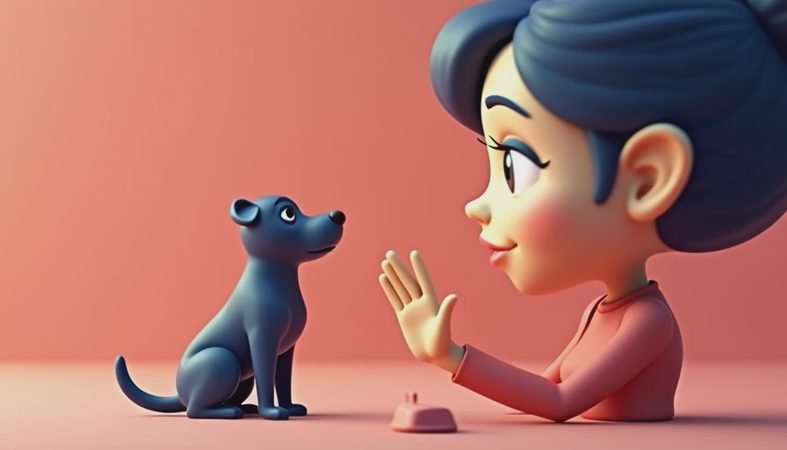
Ziggy was under the dining table with a chicken bone, and I was frozen three feet away, afraid that reaching for it would turn a bad moment into a bite. That was one of the first times I understood why leave it dog training is not about making a dog obey faster. It is about building a reliable response while preserving trust and safety. The goal is simple: your dog notices something tempting, hears your cue, turns away, and gets a better option from you.
What “leave it” actually means
“Leave it” asks your dog not to approach, pick up, or continue investigating something. It is different from “drop it,” which is used after an object is already in the dog’s mouth. A useful leave-it cue can protect a dog from chicken bones, medications, dropped chocolate, sharp objects, trash, and wildlife. It can also make walks calmer when your dog spots a sandwich wrapper or another dog’s discarded treat.
Good leave it dog training starts with management, not a test of willpower. Put medications behind a closed cabinet, use a lidded trash can, and avoid scattering forbidden objects across the floor to see what happens. Training works best when your dog succeeds often enough to learn the pattern. Every unnecessary rehearsal of grabbing food can make grabbing food more practiced.
The cue should not mean, “You are in trouble.” It should mean, “Move away from that, and something worthwhile will happen.” That distinction matters for anxious dogs, dogs with resource-guarding histories, and newly adopted dogs still learning whether people are safe.
Step one: build the cue with a closed hand
Start in a quiet room with a small, soft treat in one closed fist and a higher-value treat hidden in the other hand. Let your dog sniff the closed fist. Do not repeat the cue, push the muzzle away, or wiggle the hand. The instant your dog pauses, turns away, or looks toward you, mark the choice with “yes,” open your hand, and deliver the better treat from the opposite hand.
At first, your dog may lick, paw, or stare at your fist. That is information, not defiance. Wait for a tiny change in behavior, even a half-second glance away. Then reward. After several successful repetitions, say “leave it” once just before presenting the closed fist. If the dog dives toward it, make the exercise easier by moving your hand farther away or using a less exciting treat.
This is the core of leave it dog training: the dog learns that disengaging from the first item makes access to a better outcome possible. You are reinforcing an alternative behavior rather than punishing interest. That approach fits the basic principles of operant conditioning described by B. F. Skinner, while modern welfare-focused training adds careful attention to emotion, environment, and individual history.
Move from your hand to the floor
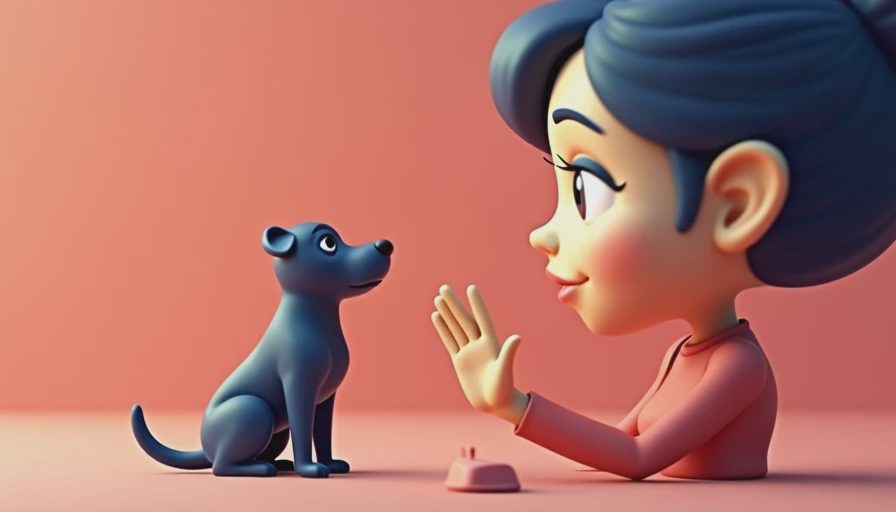
When your dog responds promptly to the closed fist, place a boring treat on the floor and cover it with your shoe. Say “leave it” once. When your dog backs off or looks at you, mark and reward from your hand. Keep the floor treat covered until your dog has stopped trying to reach it. The covered treat is part of the setup, not a prize your dog must steal.
Progress in small increments. Try these stages one at a time:
- Treat under your hand while your dog remains beside you.
- Treat under your shoe with you standing upright.
- Treat visible on the floor while your foot stays close.
- Treat visible while you take one step away.
- A low-value household item, such as a tissue, placed at a short distance.
- A mildly tempting item outdoors, with a leash attached and plenty of space.
If your dog lunges, the step was too difficult. Calmly cover the item, create distance, and return to an easier version. This is not failure; it is useful data about arousal and difficulty. In leave it dog training, your setup often matters more than your vocabulary.
Use rewards without creating a bribe
A bribe appears before the behavior and is waved in front of the dog to force cooperation. A reward follows the behavior. In early practice, it is perfectly reasonable to keep treats ready, but avoid showing one before you give the cue. Use a treat pouch, place rewards on a nearby counter, or carry several pieces in a pocket.
Food is not the only reinforcer. Some dogs prefer a tossed treat, a brief game with a fleece toy, permission to sniff, or moving away from a stressful spot. Maple, my older retriever mix, often values permission to continue walking more than a biscuit. Ziggy prefers tiny chicken pieces, especially when the environment is busy. Respect the dog in front of you rather than insisting on one universal paycheck.
Keep sessions short: perhaps five to ten repetitions, then a break. End while your dog is still engaged. If you practice only when something dangerous is already on the sidewalk, the cue will carry too much pressure and too little history of success.
Common mistakes that weaken the response
Repeating “leave it, leave it, leave it” teaches the dog that the first cue is optional. Say it once, then help with distance, a leash, your body position, or a treat delivered near your nose. Chasing a dog that grabbed an object can turn the item into a thrilling game and can increase guarding. Instead, use a calm trade when possible: offer excellent food, move away from the object, and retrieve it only after the dog has disengaged.
Do not test the cue around toxic substances or sharp objects. Training is not an emergency plan. If your dog eats medication, chocolate, antifreeze, or another potentially dangerous substance, contact a veterinarian or an animal poison service promptly. If your dog growls, stiffens, snaps, or guards items, stop reaching in and seek help from a qualified behavior professional. Punishment can suppress warning signals without changing the fear or conflict underneath.
A practical weekly plan
On Monday and Tuesday, practice the closed-hand version in a quiet room. On Wednesday, add the covered floor treat. Thursday can include a low-value object near the front door, where distractions are slightly greater. On Friday, practice outside before your dog becomes tired or overstimulated. Use the weekend for easy successes, such as leaving a toy alone while you reward from your hand.
Write down three details after each session: what item you used, how quickly your dog disengaged, and what made the exercise harder. Look for trends rather than demanding perfection. A dog who succeeds indoors may need weeks of gradual practice before responding near a dropped hot dog at a crowded park. That gap is normal because context changes behavior.
Reliable leave it dog training is built through repetition, good timing, and thoughtful prevention. It does not require a shock collar, intimidation, or a perfect dog. It requires a guardian willing to notice the early signs of difficulty and adjust the plan. If your dog is anxious, reactive, or guarding, a veterinarian can help rule out medical contributors, and an IAABC-certified consultant or other qualified reward-based professional can tailor the work.
The safest cue is one your dog has practiced when life is boring, then gradually carried into real life. Start with a closed hand tonight, reward the smallest thoughtful choice, and keep your expectations honest. Respect the dog.