At 6:12 a.m., Ziggy squatted on the rug while I stood three feet away holding a leash, treats, and the expression of someone whose project plan had just caught fire. Learning how to potty train a puppy is less about finding a magic phrase and more about managing timing, space, and reinforcement. Your puppy is not being spiteful, lazy, or "almost trained" because an accident happened. They are learning a physical skill while their bladder, routines, and understanding of your home are still developing.
The goal is simple: make the right place easy to reach and rewarding to use, while preventing as many mistakes as possible. That approach protects trust and gives you useful information instead of creating fear. Respect the dog.
What your puppy needs before training can work
Potty training starts with preparation, not correction. Choose one outdoor bathroom area that is quiet enough for your puppy to sniff and focus. Keep a leash, small soft treats, waste bags, and an enzyme-based cleaner near the door. If you live in an apartment, identify the safest practical route before your puppy arrives; carrying a very young puppy through a long hallway can prevent an accident.
A crate can help when introduced as a comfortable resting space, but it should never be used as punishment or as an all-day storage box. A playpen with a bed, water, and a separate emergency toilet area can be more humane for a guardian who works outside the home. Puppies need sleep, play, eating, chewing, and elimination opportunities, not constant confinement.
Your veterinarian can help you account for vaccination guidance, parasites, diarrhea, urinary problems, or other health issues. A sudden change in elimination deserves veterinary attention. Training cannot solve pain or illness.
How to potty train a puppy with a predictable schedule
Take your puppy to the bathroom area immediately after waking, eating, drinking a substantial amount, playing energetically, and coming out of confinement. Also offer regular trips between those events. Very young puppies often need opportunities every 30 to 60 minutes when awake, although the correct interval depends on age, size, health, excitement, and individual history. A schedule is a starting experiment, not a promise that a puppy can physically hold it for a certain number of hours.
Stand quietly and give the puppy time to sniff. The moment they finish, say a calm marker such as "yes," then deliver several tiny treats while still outside. Add a short sniff walk or gentle play after the reward so going to the bathroom does not always mean immediate separation from the interesting world. If nothing happens after about five minutes, return indoors with close supervision or a short, comfortable confinement period, then try again.
This is the practical core of how to potty train a puppy: predict likely needs, provide access before urgency becomes an emergency, and reinforce the behavior at the exact moment it happens.
Supervision prevents more accidents than correction
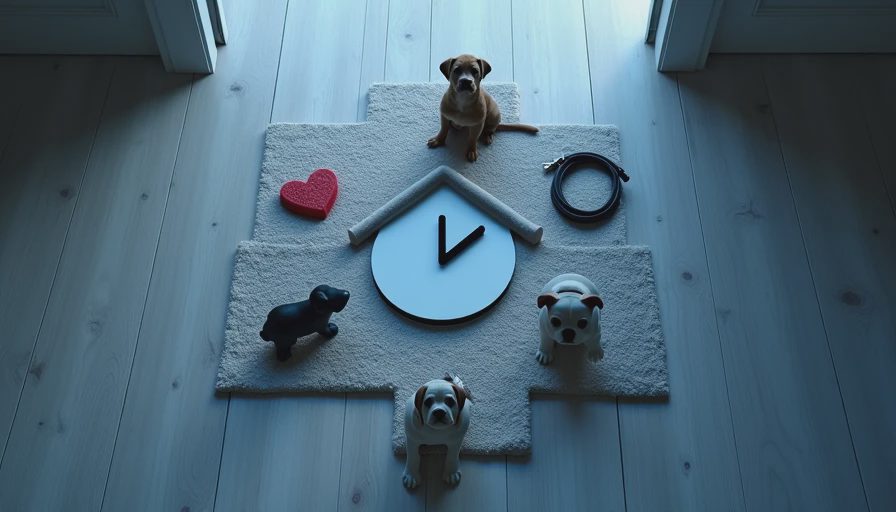
During early training, your puppy should be attached to you with a lightweight leash, within sight in a puppy-proofed room, or resting safely in a pen. Watch for patterns rather than waiting for an obvious squat. Sniffing intensely, circling, wandering away, pausing play, whining, or heading toward a previous accident spot can all be useful signals.
Keep a simple log for several days. Record waking time, meals, water, play, naps, successful outdoor trips, and accidents. After a week, the pattern often becomes clearer. You may discover that accidents happen eight minutes after wrestling with another dog, not randomly. You may find that the puppy needs an additional trip after breakfast but not after a small midday snack.
If you catch an accident beginning, interrupt gently with a neutral sound, pick up or guide the puppy outside, and reward any finishing there. Do not yell, rub their nose in it, or drag them toward the mess. Those responses can teach a puppy to hide elimination, not to use the correct location.
What to do after an accident
Clean the area thoroughly with an enzymatic product designed for pet urine. Ordinary soap can remove the visible stain while leaving odor compounds that draw a puppy back. Follow the product directions, allow the area to remain wet for the recommended contact time, and block access until it dries. Wash removable fabric items and consider temporarily removing rugs that have become popular bathroom choices.
Then ask what the accident tells you. Was the last trip too long ago? Did the puppy drink, nap, or become excited? Was the outdoor route slow because someone had to find shoes? This review is not self-criticism; it is troubleshooting. In my own kitchen, I learned that Ziggy needed to go out immediately after tug games, even when he had used the yard successfully twenty minutes earlier.
When people ask how to potty train a puppy after several accidents, I recommend changing the setup before increasing pressure. Shorten the interval, reduce free roaming, improve supervision, and make outdoor rewards more valuable. Progress is measured by patterns over time, not by one perfect afternoon.
A calm response to setbacks and regressions
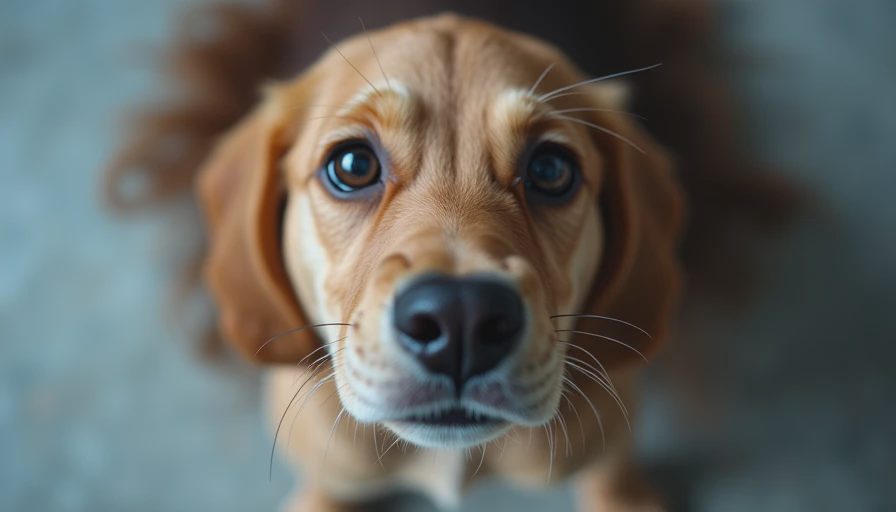
Puppies often backslide during travel, visitors, schedule changes, teething, illness, or exciting developmental stages. A regression does not erase previous learning. Return to the last routine that worked, offer more frequent trips, and reward generously for a few days. If accidents are frequent, unusually urgent, associated with straining, or appear after a long period of reliability, contact your veterinarian rather than assuming the puppy has forgotten.
Use the same approach with an adopted adolescent or adult dog who has never learned household habits. The timeline may differ, and the dog may be anxious about outdoor surfaces, weather, stairs, or unfamiliar sounds. Give them choice where possible and investigate the environment. A dog who refuses to eliminate in the rain may need a covered area and gradual exposure, not a harsher voice.
Reward-based training is supported by the American Veterinary Society of Animal Behavior, which recommends reinforcement-based methods and cautions against aversive techniques. Fear can suppress behavior temporarily while damaging the relationship that makes future learning easier.
Your daily potty-training checklist
Before breakfast, prepare treats and a leash by the door. After waking, go directly to the bathroom area. After eating, playing, drinking, and napping, offer another opportunity. Keep the puppy supervised between trips and restrict access to tempting rugs or hidden corners. Reward outdoor elimination immediately, then allow a few minutes of enjoyable sniffing. Log accidents without judgment and adjust the interval the next day.
If your puppy is not progressing despite consistent management, a qualified reward-based trainer or an IAABC-certified consultant can observe the routine and identify details you cannot see while tired. Professional help is especially useful when anxiety, fear, multiple dogs, or a complicated work schedule is involved.
The most honest answer to how to potty train a puppy is that consistency beats intensity. You are building a habit, not demanding a performance. Some days will include clean floors and triumphant treats; others will include paper towels and a deep breath. Stay curious, make the environment easier, and keep your puppy emotionally safe. Respect the dog.
Talkback
0