Ziggy was under my dining table, watching a piece of chicken like it contained the meaning of life. I had a treat in my hand, a dog-training book open on the floor, and absolutely no idea how to make the next step clear. If you are wondering how to teach a dog to sit, start here: sitting is not a test of obedience or intelligence. It is a behavior we can build by making the right choice easy, safe, and worth repeating.
The goal is communication, not control. A dog who sits because a hand jerks a leash may look trained, but that response tells us very little about trust or understanding. Reward-based training gives your dog useful information: that particular movement made good things happen. Here is the simple process I wish I had followed from the beginning.
Set up the lesson before asking for anything
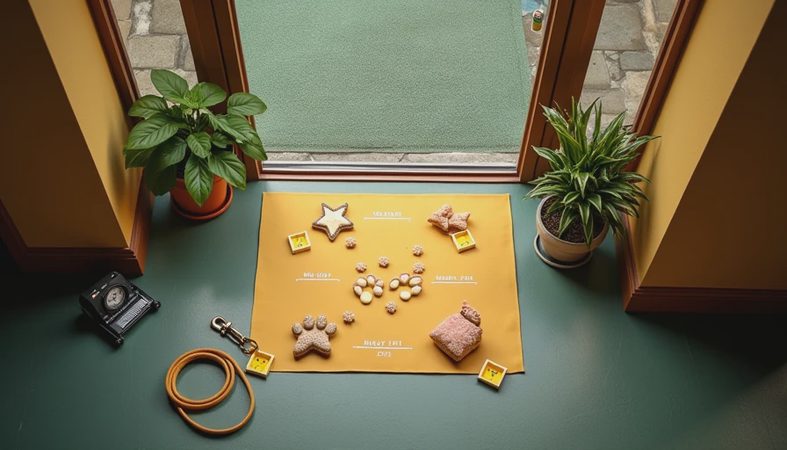
Choose a quiet room with a non-slip floor and a few pea-sized treats. Soft food such as small pieces of chicken, cheese, or a commercial training treat is usually easier to deliver quickly than a crunchy biscuit. You can also use part of your dog’s regular meal if treats are not motivating at that moment.
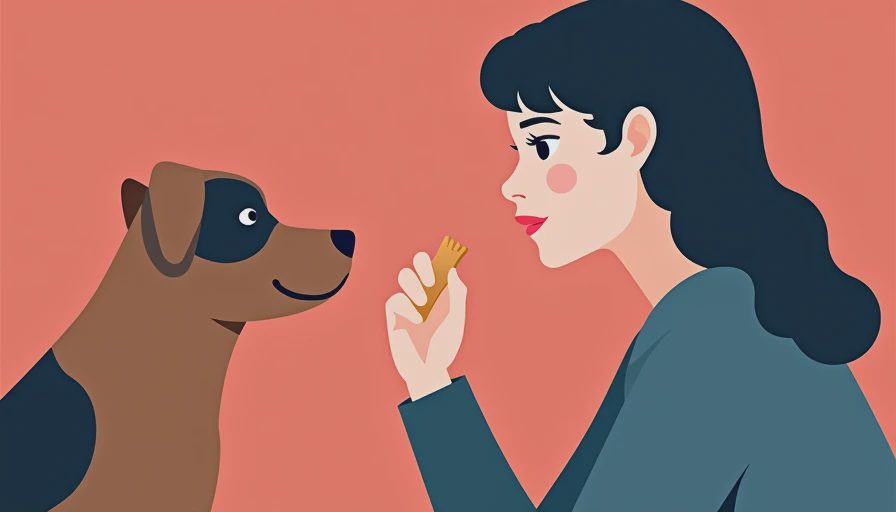
Stand or sit close to your dog. Say nothing at first. When your dog naturally bends the back legs or lowers into a sit, mark the instant with “yes” or a clicker, then deliver the treat beside your leg. The marker should happen while the behavior is occurring, not several seconds later. After a few repetitions, your dog will begin offering the movement more deliberately.
This is the first important answer to how to teach a dog to sit: capture the behavior before adding a word. If you repeat “sit, sit, sit” while your dog is still figuring things out, the sound can become background noise. Let the action become predictable first.

Add the cue with clean timing
Once your dog is sitting frequently, say “sit” one time just before the movement begins. When the dog completes it, mark and reward. The word should predict the action, not become a demand shouted over confusion. Keep your shoulders relaxed and your voice ordinary. A cue is information, not a threat.
Practice in tiny sessions of three to five minutes. End while your dog is still interested, then return later. Puppies, anxious dogs, and newly adopted dogs often need even shorter sessions. A dog who walks away is giving you useful data about fatigue, distraction, discomfort, or the value of the reward. Respect the dog and adjust the plan instead of escalating your voice.
Avoid pushing the dog’s hips down. That can make sitting uncomfortable, can create resistance, and does not teach the dog which movement earned reinforcement. It also removes the dog’s chance to make a choice. The American Veterinary Society of Animal Behavior recommends reward-based methods and warns against training approaches that rely on pain, intimidation, or fear.
Use a simple progression instead of rushing
A practical progression for how to teach a dog to sit looks like this. First, reward spontaneous sits in a quiet room. Second, add the verbal cue. Third, practice from a few feet away. Fourth, add mild distractions, such as a person walking across the room. Finally, practice outside, near a calm sidewalk, or in another safe location where your dog can still eat and think.
Change only one difficulty at a time. If you move outdoors and your dog cannot respond, that is not stubbornness. The environment may contain birds, scents, traffic sounds, and unfamiliar people. Lower the challenge by moving farther from the distraction, using better treats, or returning indoors for a successful repetition.
A useful rule is to aim for frequent success rather than a perfect streak. If your dog misses three cues in a row, pause and make the next repetition easier. Training is an experiment. I kept a notes app for Ziggy and recorded location, treat, distraction, and response. The pattern was embarrassingly clear: he “forgot” sit mostly when I had made the world too difficult.
Troubleshoot the common sticking points
If your dog jumps for the treat, hold the food still and wait. The moment four paws are on the floor, mark and reward. Do not wave the treat above the dog’s head repeatedly; that can create frantic hopping instead of a thoughtful sit.
If your dog backs away from the lure, lower your hand and move it slowly. Some dogs dislike a hand reaching over their face. Try capturing a natural sit instead, or reward looking at your hand before asking for movement. If your dog sits but immediately stands, deliver the treat low and close to the chest. Fast, high deliveries often pull the dog back up.
If the dog will not sit at all, consider physical comfort. A sore dog, an older dog with stiffness, or a dog on a slippery surface may be communicating that the position hurts or feels unsafe. Do not diagnose the problem yourself; schedule a veterinary examination. Training should never require a dog to push through pain.
Build real-world reliability kindly
Knowing how to teach a dog to sit is different from expecting a sit everywhere. Begin generalizing in familiar rooms, then a hallway, porch, quiet yard, and low-traffic public space. Carry rewards and reinforce the behavior intermittently after it becomes familiar, but continue paying well in distracting environments. Real-life rewards count too: a sit can earn access to a sniff, a tossed toy, the open door, or a greeting when the other dog is calm.
Do not use sit to hold a frightened dog in place. A dog who is crouching, turning away, licking lips, or trying to leave may need distance, not a longer stay. Sit is a useful skill, but it should not override emotional safety. For a reactive or fearful dog, work below the point where the dog is overwhelmed and consider support from an IAABC-certified consultant or another qualified reward-based professional.
A five-minute practice plan
To apply how to teach a dog to sit tomorrow, prepare ten small treats and choose one quiet location. Spend the first minute rewarding any natural sit. Spend the next two minutes saying “sit” once before the movement, then marking and rewarding. Spend the fourth minute taking one step away before giving the cue. Use the final minute for an easy success, then stop.
Write down three details: where you practiced, what reward you used, and how many responses were successful. If success falls below roughly half, reduce the difficulty rather than repeating the cue louder. If your dog succeeds easily, change one variable during the next session. This tiny record turns vague frustration into useful information.
The best answer to how to teach a dog to sit is not a stronger correction or a faster promise. It is clear timing, valuable reinforcement, manageable environments, and attention to what your dog is telling you. Ziggy did learn to sit, eventually. More importantly, I learned to notice when I was asking for too much. That lesson has lasted longer than any cue.
Respect the dog.
Talkback
0