Ziggy was under my kitchen table with my shoelace in his mouth, my hand scratched, and my patience running on fumes. I had read enough advice to know that yelling was not helping, but I still needed a practical answer to how to train a puppy not to bite. The answer is not a single trick. It is a repeatable plan that teaches a young dog what belongs in a mouth, what makes play continue, and how to settle when those tiny teeth are powered by excitement.
Puppy biting is normal, but normal does not mean you have to tolerate every version of it. Puppies investigate with their mouths, lose baby teeth, become overstimulated, and practice social skills during play. Your job is to make safe choices easy and painful choices unrewarding. Respect the dog, and protect your skin at the same time.
Why puppies bite in the first place
A puppy may bite because gums hurt, because a sock moves like prey, or because an afternoon of visitors has pushed the puppy past its ability to cope. Biting can also appear when a puppy is tired. Many young dogs need roughly 18 to 20 hours of sleep in a day, although individual needs vary. The puppy who seems wildly energetic at 8 p.m. may actually need a quiet nap, not another game of fetch.
Watch the pattern before choosing a response. If biting happens during tug, excitement is probably part of the picture. If it appears when you touch paws or remove a toy, fear, discomfort, or guarding deserves more careful attention. If the behavior began suddenly or seems connected to pain, call your veterinarian. Training cannot solve an untreated medical problem.
The goal in learning how to train a puppy not to bite is not to punish every mouth movement. It is to identify the need underneath the behavior and provide a safer outlet.
The immediate response: stop, redirect, reset
When teeth touch skin, freeze your hand instead of snatching it away. Fast movement can turn your fingers into a thrilling chase toy. Use a calm, brief phrase such as “too bad,” then remove your attention for five to ten seconds. You can stand up, turn your body, or step behind a baby gate. This is not a dramatic punishment. It is a clear loss of access to the game.
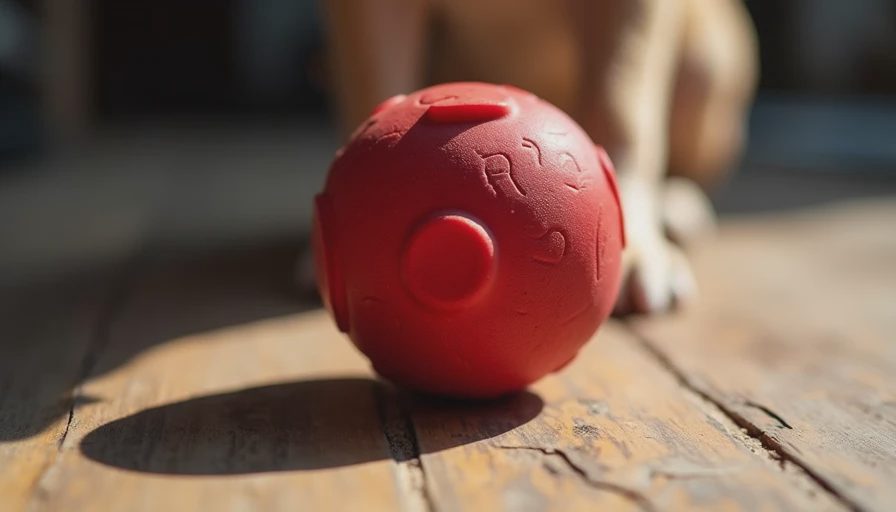
Then offer an appropriate object: a rubber food-stuffable toy, a fleece tug toy, or a puppy-safe chew recommended by your veterinarian. When the puppy bites that object, quietly praise and continue interaction if the body is relaxed. The sequence is simple: teeth on skin, play pauses; teeth on toy, play resumes.
Do not hold a puppy’s muzzle shut, pin the puppy down, smack the nose, or use a shock or prong collar. These methods can suppress warning signals and create fear around hands. They do not teach the puppy what to do instead.
Build a bite-proof daily routine
Management is a major part of how to train a puppy not to bite because every rehearsal strengthens a habit. Keep several legal chew items in the rooms where your puppy spends time. Rotate them so they remain interesting. A chilled, puppy-safe teething toy can help during sore-gum periods, while a stuffed rubber toy can make crate or pen time more rewarding.
Use clothing and furniture strategically. Wear sturdy pants during the wildest evening period, move tempting shoes into a closed closet, and use gates to separate the puppy from guests who cannot follow the plan. A lightweight house line can help you guide a puppy away without grabbing at its collar, but supervise it closely and remove it during crate time or unsupervised periods.
Plan short activity blocks rather than constant entertainment. A three-minute training session, a sniff around the yard, a meal delivered through a puzzle feeder, and a nap can be more useful than an hour of frantic wrestling. Track when biting happens for three days. Note sleep, meals, visitors, play, and location. Patterns often become obvious on paper before they feel obvious in real time.
Teach gentle mouth behavior through reinforcement
One useful exercise is the closed-hand game. Place a treat in your fist. If the puppy paws or mouths your hand, keep it closed and still. The moment the puppy backs away, looks at you, or stops using teeth, open your hand and deliver the treat. After several repetitions, add a cue such as “gentle.” This is not a test of endurance; keep sessions short and stop before frustration rises.
You can also reward calm contact. Touch a shoulder, pause, and feed a treat if the puppy stays relaxed. Gradually work toward ears, paws, and collar handling over multiple sessions. If the puppy turns away, stiffens, growls, or snaps, stop and seek professional guidance rather than pushing through. Those signals are communication, not defiance.
Learning how to train a puppy not to bite works best when the puppy earns reinforcement for soft choices repeatedly. Food, access to play, sniffing opportunities, and your attention can all reinforce behavior. You do not need to wait for perfect manners before rewarding progress.
Make play safer for everyone
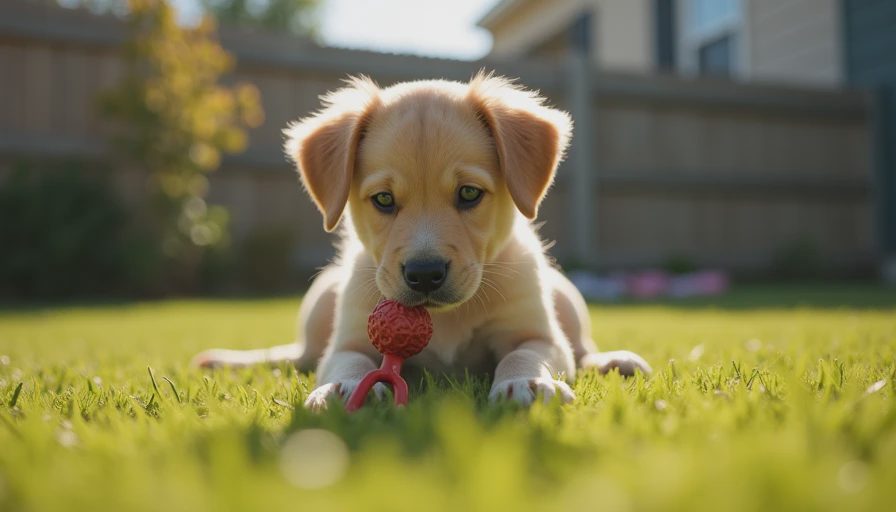
Hands should not be the main toy. Use a long fleece tug, a soft toy, or a flirt-pole-style toy designed for dogs, and keep the movement controlled. Let the puppy win sometimes. Winning does not create dominance; it can make the game more satisfying and give you opportunities to practice exchanging one toy for another.
Teach “drop” by presenting a treat near the puppy’s nose while the toy is in the mouth. When the puppy releases the toy, mark the moment with “yes,” give the treat, and return the toy. Soon, the release itself predicts that play continues. If the puppy grabs skin during play, calmly end that round and try again later with less excitement.
Children need an adult-managed plan. Do not ask a child to run, squeal, wrestle, or pull a toy away from a puppy. Give the child a scatter-feeding game to play from a safe distance while an adult supervises. If either the child or puppy looks overwhelmed, create separation immediately.
When biting needs professional help
Contact a qualified positive-reinforcement trainer or an IAABC-certified consultant if bites are hard, frequent, escalating, or accompanied by guarding, freezing, stiff posture, or growling around handling. Seek veterinary advice if the puppy appears painful, unusually irritable, or reluctant to eat. A professional can help distinguish ordinary play biting from fear-related behavior and build a plan around your household.
Keep a simple progress log: trigger, intensity from one to five, what you did, and how quickly the puppy recovered. Improvement may look like shorter episodes, faster recovery, or choosing a toy twice out of five opportunities before choosing it every time. Those small changes are meaningful data, not failures.
The most useful answer to how to train a puppy not to bite is consistent, humane practice: prevent rehearsals, pause attention after skin contact, reinforce toys and calm behavior, and protect rest. I still remember questioning every decision while Ziggy launched himself at my sleeves. The turning point was not a harsher correction. It was making the right behavior easier to repeat. Respect the dog.

Talkback
0