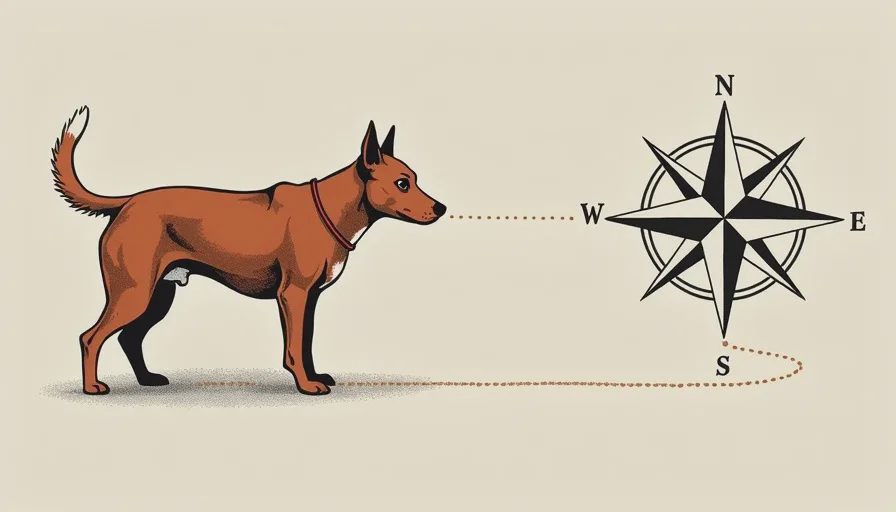
I used to think enrichment meant buying another puzzle toy.
Ziggy would empty the frozen Kong in six minutes, look at me, and resume pacing. I would buy the next clever feeder, stuff it, and feel briefly responsible. The underlying restlessness barely shifted. Maple, who has never needed a toy to feel complete, would watch the whole cycle with the mild judgment of a dog who already knows how to occupy herself.
The problem was not the Kong. The problem was treating one food-delivery format as if it covered the full range of what a dog’s brain and body are built to do. Enrichment, done well, is less about products and more about giving the dog legal outlets for species-typical behaviors: searching, sniffing, chewing, shredding, problem-solving, and recovering.
Five Categories
Here are five categories that consistently matter more than another stuffed rubber toy.
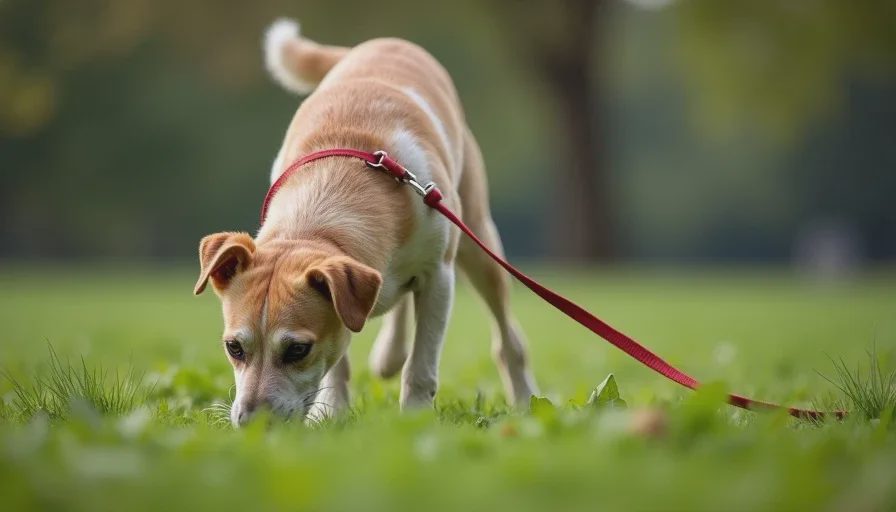
1. Sniffing Until the Nervous System Settles
A dog’s primary way of gathering information is through the nose. When we march them through a walk focused only on distance or heel position, we often skip the activity that actually lowers arousal for many dogs.
Practical version: build short “sniff walks” into the week. Long line or regular leash in a low-traffic area. No agenda except letting the dog follow scent. You move when they move. You do not yank them off a smell because the schedule says you should be farther along the block.
Ten to twenty minutes of genuine sniffing often produces more settled behavior afterward than a brisk thirty-minute march. This is not laziness. It is letting the dog do the job their sensory system is designed for. Ziggy’s evening demeanor changed more from consistent sniff work than from any single food toy I ever bought.
2. Foraging and Searching for Food
Dogs are scavengers and searchers. Dropping a full bowl of kibble in front of them removes the search entirely. Some dogs cope. Many become restless because a major behavioral sequence has been deleted from their day.
Practical versions that require almost no gear:
Scatter feeding in the yard or on a clean floor so the dog has to use their nose to find each piece.
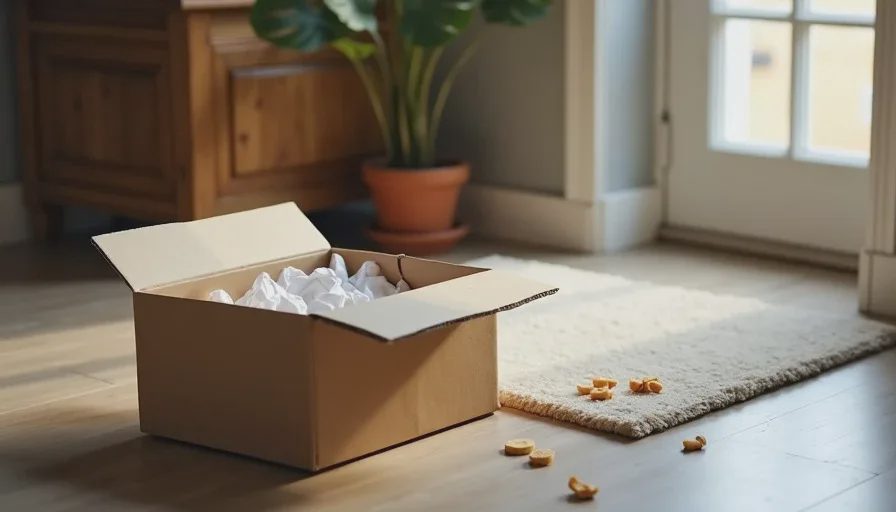
A cardboard box filled with crumpled paper and a handful of kibble or treats buried inside.
A snuffle mat or a towel with food rolled into the folds.
Simple “find it” games where you hide a few pieces while the dog waits in another room, then release them to search.
Rotate the formats so the problem stays mildly novel. The point is the searching behavior itself, not how long it takes to finish the calories. For dogs who gulp, this also slows intake without a special bowl.
3. Legal Destruction and Chewing
Shredding, dissecting, and sustained chewing are normal. When we punish those behaviors without providing an outlet, the need does not disappear. It moves to chair legs, remote controls, and drywall corners.
Practical options:
Cardboard boxes, paper towel tubes, and safe paper for supervised shredding.
Durable chews appropriate for the individual dog’s size, age, and chewing style (and cleared for safety).
Old towels or soft toys designated for ripping, replaced when they become hazardous.
Frozen wet washcloths or appropriate frozen items for dogs who like to gnaw and lick.
Supervise anything that can be swallowed in pieces. The goal is to give the behavior a legal target, not to create a new veterinary emergency. Maple has always been a moderate chewer. Ziggy needed far more legal destruction in the early months than I initially provided. Once he had it, the unauthorized targets decreased.
4. Sensory Variety Without Overwhelm
Novel scents, textures, and safe environmental changes give the brain new information to process. This does not mean constant excitement. It means controlled, digestible novelty.
Practical ideas:
A few safe herbs or spices (oregano, basil, a light dusting of cinnamon) on a mat or in a snuffle setup for investigation.
Different walking surfaces when available—grass, dirt path, shallow water, rubber matting.
Occasional new but low-intensity objects to examine on leash or in the yard.
Quiet access to window views or a consistent “lookout” spot if the dog enjoys watching the world without becoming aroused.
Watch the individual. What is enriching for one dog is flooding for another. Sensory work should leave the dog more settled or pleasantly tired, not higher.
5. Real Recovery Time
This is the category almost everyone skips.
Enrichment is not only activation. It is also the ability to come back down. Dogs who live in a constant state of mild arousal—barking at windows, rehearsing reactivity, waiting for the next exciting thing—often look like they need more exercise when what they actually need is better off-switches.
Practical recovery:
Scheduled quiet periods in a low-traffic space with a chew or nothing at all.
Management of window access if visual triggers keep the dog elevated.
After hard outings or training sessions, deliberate decompression instead of immediate new stimulation.
Protecting sleep. Chronic mild sleep disruption raises baseline stress and makes every other enrichment effort less effective.
Maple is excellent at recovery. She works when something is worth working for, then she fully rests. Ziggy had to be taught that rest was allowed. Without that piece, the foraging and sniffing only added more data to an already overloaded system.
A Simple Weekly Check
You do not need to perfect all five every day. Aim for coverage across the week:
Category | Done this week? | Notes / what worked |
|---|---|---|
Sniffing time | ||
Foraging / searching | ||
Legal chew / shred | ||
Sensory novelty | ||
Protected recovery |
If the only box you ever tick is “stuffed a Kong,” the dog is still missing large parts of a functional behavioral diet. The Kong can stay. It just cannot be the entire plan.
Enrichment is not a product aisle. It is the ongoing work of giving a domestic dog legal ways to be a dog—search, sniff, chew, solve, and then truly rest—inside the constraints of a human household. When those needs are met more consistently, a lot of the “problem” behaviors lose their urgency.
Respect the dog.


Talkback
0