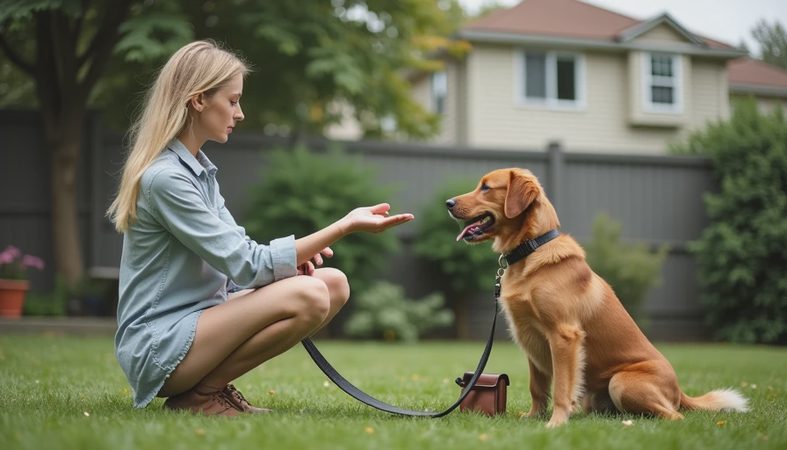
Ziggy once grabbed a chicken bone beside an Austin sidewalk and sprinted away like he had won the lottery. I panicked, chased him, and turned the whole moment into a very exciting game of keep-away. Learning how to teach a dog leave it command gave us a safer, calmer alternative: a cue that means pause, move away from that item, and expect something worthwhile from me.
This is not a test of obedience or proof that your dog respects you. Dogs investigate the world with their mouths, and a dog who snatches something dangerous is not being spiteful or stubborn. The behavior is working for them. Our job is to make a different response clear and rewarding.
What leave it actually means
A useful leave it cue asks your dog not to take, approach, or continue investigating something. It is different from drop it, which usually means release an object already in the mouth. It is also different from recall. Leave it can interrupt a choice before contact, but it should not be your only plan for a dog running toward traffic or wildlife.
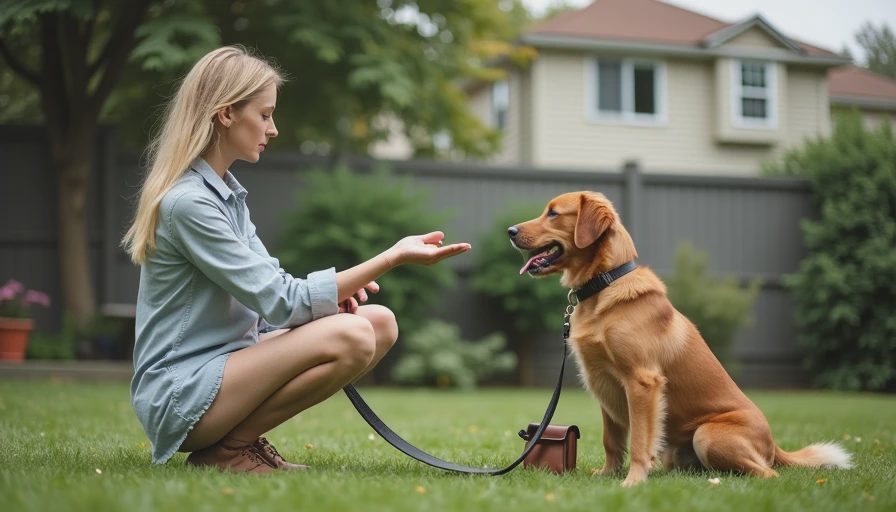
The best training starts with a low-value item and a high-value reward. Put a dry piece of kibble in your closed fist. Let your dog sniff, lick, or paw at your hand without scolding. The instant they pull their nose away, mark that choice with a calm yes and deliver chicken, cheese, or another treat from your other hand. The reward should not come from the fist containing the forbidden item.
Repeat until your dog quickly disengages when the closed fist appears. Then add the words leave it immediately before presenting your fist. In how to teach a dog leave it command, timing matters more than volume. Say the cue once, then wait. Repeating it six times teaches your dog that the first five requests are optional.
Build the cue in careful stages
Once your dog is successful with a closed fist, make the picture slightly harder. Place a treat in your open palm and close your hand if your dog dives for it. When they back away, mark and reward from the other hand. Next, place the treat on the floor under your shoe. Gradually uncover more of it, but keep your foot ready to prevent access.
If your dog lunges, freezes, whines, or cannot turn away, the exercise is too difficult. Cover the item, move farther away, use a less exciting object, or return to the previous step. A training plan should produce many successful repetitions, not a dramatic showdown. I learned this with Ziggy after putting a sausage on the floor far too early. He grabbed it, I gasped, and neither of us learned anything useful.
A simple progression looks like this: closed fist, open palm, treat under a shoe, treat on the floor, toy on the floor, moving object, and finally real-life distractions. Practice each stage in several rooms before adding a new challenge. The living room and the front porch are different contexts to a dog.
Use rewards without creating a bribe
During how to teach a dog leave it command, show the reward after your dog responds whenever possible. If you wave chicken in front of their nose first, your dog may learn to follow food rather than understand the cue. Keep treats in a pocket, pouch, or nearby bowl, and pay promptly after the disengagement.
The reward does not always have to be food. A dog might prefer a toss of a favorite toy, permission to sniff a bush, access to the yard, or a cheerful walk away from the distraction. Food is often easiest at first because it is fast and precise, but reinforcement should fit the individual dog. Maple will work for cheese. Ziggy sometimes works harder for a squeaky toy, unless the squeaky toy is too exciting for him to think.
Aim for short sessions of two to five minutes. End after a successful repetition, not after your dog is frustrated. You can practice before dinner, while coffee brews, or during a quiet hallway break. Several tiny sessions throughout the week usually fit real life better than one ambitious weekend lesson.

Take leave it outdoors safely
Outdoor practice should begin with management, not bravery. Use a leash, choose a quiet area, and bring rewards that compete with ordinary sidewalk smells. Start with harmless objects such as a paper cup or a boring leaf. Do not deliberately place medication, sharp objects, toxic food, or wildlife in your dog’s path to test the cue.
When your dog notices something, say leave it once while you still have distance. If they look back at you, mark, reward, and create more space. You can then guide them past the item. This is how to teach a dog leave it command without forcing a dog to walk directly over a temptation.
For scavenging, prevention remains essential. Keep floors clear, use a covered trash can, inspect your yard, and use a well-fitted basket muzzle introduced gradually when a qualified professional recommends one for safety. A muzzle should never be used as punishment or a substitute for supervision. If your dog has swallowed a potentially toxic or sharp item, contact a veterinarian or pet poison service promptly rather than waiting to see whether training solves it.
Troubleshoot the common sticking points
If your dog ignores the cue, ask what changed. Was the reward too small? Was the object too interesting? Did you add movement, distance, noise, or another dog all at once? Lower one variable and try again. Learning how to teach a dog leave it command is less about insisting and more about finding the point where your dog can succeed.
If your dog growls when you approach a found object, do not grab it, punish the growl, or corner them. Growling is communication, and punishment can remove the warning without removing the discomfort. Toss several excellent treats away from the object, create space, and arrange help from an IAABC-certified consultant or another reward-based professional. Resource guarding deserves an individual plan.
If your dog keeps stealing socks, do not turn every sock into a chase game. Secure laundry, offer a legal toy, and reinforce dropping or moving away. For an item already in the mouth, trade calmly rather than wrestling. If your dog is fearful, highly reactive, or panicked around handling, talk with your veterinarian about the whole picture and ask for behavior support.
A practical week-by-week plan
On the first few days, practice the closed-fist version in a quiet room and reward every quick disengagement. Then work with an open palm, keeping the treat boring enough that success is likely. During the next stage, use a treat beneath your shoe and add gentle movement only after your dog can respond while still relaxed.
After that foundation, practice with toys, paper, and food containers in different rooms. Record the object, distance, reward, and result in a simple note on your phone. A pattern might show that your dog succeeds indoors but struggles near the kitchen trash. That is useful information, not failure.
How to teach a dog leave it command becomes much easier when the goal is measurable: your dog notices an item, turns away within a few seconds, and receives reinforcement without conflict. Celebrate that small turn. It is the behavior that protects your dog, and it is the behavior you can keep strengthening for years.
No cue is magic, and no dog is a machine. Management, repetition, generous reinforcement, and professional support when needed will take you farther than intimidation. Respect the dog.