Ziggy once grabbed a chicken bone in an Austin parking lot and turned the next thirty seconds into a low-budget action movie. I crouched, panicked, and repeated “leave it” louder while he swallowed his prize. If you are searching for how to train leave it, start with this reassurance: your dog is not being bad, stubborn, or disrespectful. They are responding to something valuable. Our job is to teach that moving away from it makes good things happen.
“Leave it” is a cue for disengagement. It means do not approach, pick up, chase, or eat that item. It is different from “drop it,” which asks a dog to release something already in their mouth. Both skills matter, but they are taught separately. A reward-based approach protects trust and gives your dog a clear alternative behavior.
What “leave it” should mean
Before practicing, decide what you want the cue to accomplish. A dog who pauses over a piece of kibble on the floor has learned one small step. A dog who can turn away from a dropped pill, a dead squirrel, or a child’s sandwich has a much more useful life skill. That reliability develops gradually, across settings and distractions.
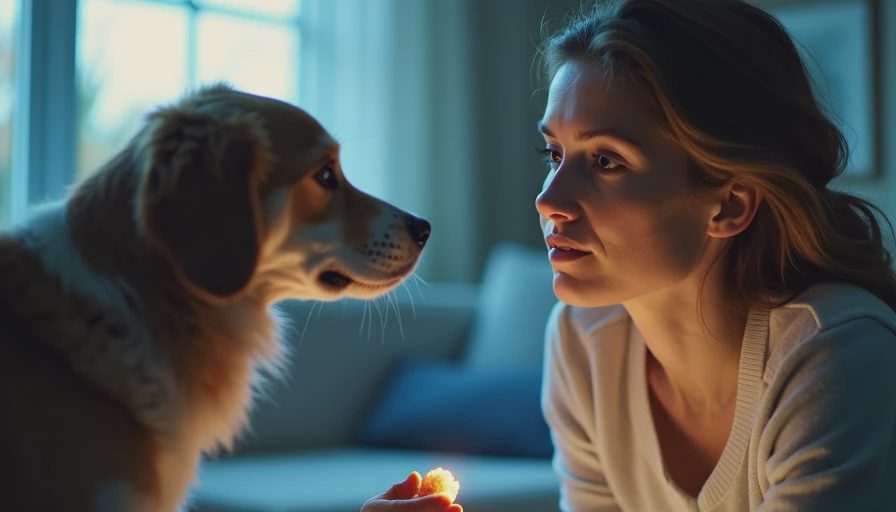
The first goal is not a dramatic freeze. It is a tiny choice: your dog notices the item, then looks away from it or shifts back toward you. Mark that choice with a calm “yes” and deliver a better reward from your other hand. The original item should stay unavailable. Do not reward by giving your dog the forbidden object immediately; that can make the cue confusing.
Keep sessions short enough that your dog can think. Five repetitions in a quiet room can be more productive than fifteen repetitions after a long, stimulating walk. If your dog is staring hard, pawing, vocalizing, or lunging, the setup is too difficult. Lower the temptation, increase the distance, or use a higher-value reward.
How to train leave it with a simple progression
Begin with a boring treat inside your closed fist. Let your dog sniff, lick, or investigate without scolding. The moment they pull their nose away, mark the instant and give a better treat from your opposite hand. After several successful repetitions, add the words “leave it” just before presenting the closed fist. The cue should predict an opportunity to earn, not a battle over access.
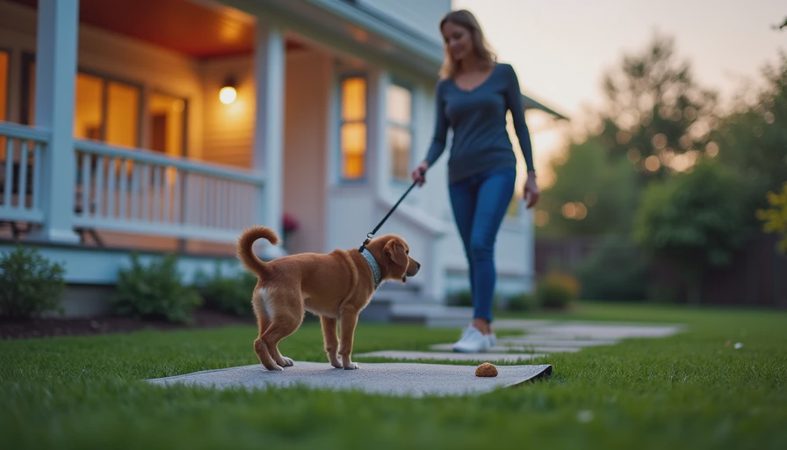
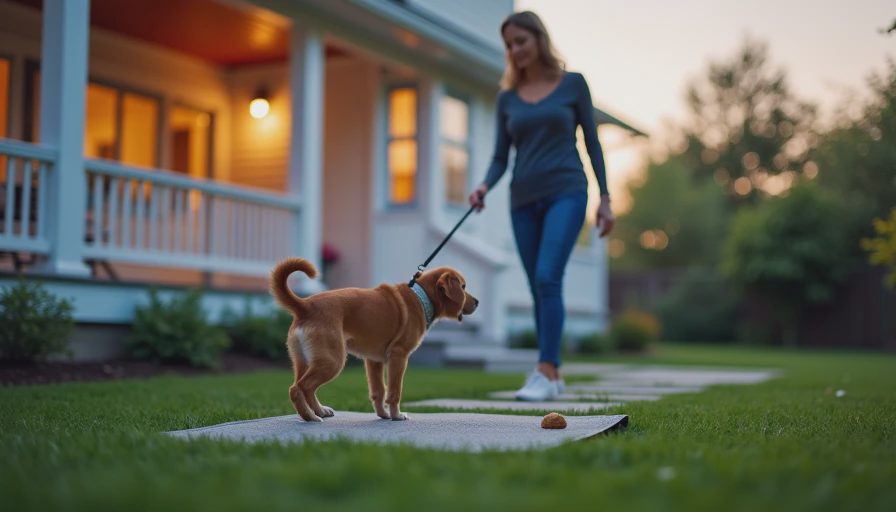
Next, place the treat in an open palm and close your hand if your dog dives toward it. Wait for the same soft disengagement, then reward from the other hand. Progress to a treat on the floor under your shoe, then uncovered on the floor while you hold the leash. Your dog should succeed repeatedly before you make the setup harder.
A useful training log can be very plain. Write down the item, distance, number of successful repetitions, and your dog’s energy level from one to five. If success falls below roughly four out of five repetitions, do not add distraction. Change one variable at a time: distance, movement, value of the item, or location. This is the product-manager part of my brain, and yes, I once tracked Ziggy’s treat choices in a spreadsheet.
How to train leave it around real distractions
Generalization is where many teams get stuck. Dogs do not automatically understand that the kitchen floor, sidewalk, backyard, and vet lobby are all versions of the same exercise. Practice in several safe places, beginning with familiar rooms and moving to a quiet porch, driveway, or low-traffic path.
Use management while training. Keep medication, chocolate, cooked bones, and other hazards out of reach. On walks, scan ahead and create space before your dog reaches litter or food. A cheerful U-turn, treat scatter on clean ground, or brief hand target can help you move away without dragging your dog toward the temptation. The cue is one tool, not a substitute for a safe environment.
If your dog ignores you, avoid repeating “leave it” ten times. Repetition can teach them that the first cue is optional. Instead, calmly block access with the leash or your body, increase distance, and help them succeed. Then reward the first moment of reorientation. A failed repetition is information about the setup, not evidence of a character flaw.
Common mistakes that slow progress
The biggest mistake is starting with the hardest version: a favorite toy, a slice of pizza, or a squirrel running past the fence. That asks for advanced impulse control before the behavior exists. Start with a low-value object and build a history of easy wins.
Another mistake is using the cue to take everything away. If “leave it” always predicts loss, your dog may avoid you or grab the item faster. Pair the cue with generous reinforcement, and separately teach trading for objects your dog already has. For a toy, offer a second toy or a treat, wait for release, then return the original when appropriate. Returning safe items can reduce conflict and protect against guarding.
Do not pry open a dog’s mouth unless there is an immediate emergency and professional guidance is unavailable. If your dog stiffens, freezes, growls, snaps, or guards food and objects, stop practicing close-up trades. Resource guarding deserves an individualized plan from a qualified behavior professional, and your veterinarian can help rule out pain or discuss whether additional support is appropriate.
A practical weekly plan
On day one, practice the closed-fist version in three sessions of under two minutes. On day two, repeat it in a different room and reward quickly. During the next few days, move to an open palm, then a treat under your shoe. End each session while your dog is still eager and successful.
The following week, add a stationary object on the floor and practice while you stand nearby. Then try a low-value item placed several feet away. Have a helper roll a toy slowly only if your dog can disengage from still objects. Keep the leash attached outdoors, and choose quiet locations before busy sidewalks.
A green-light repetition looks like this: your dog notices the object, hears the cue once, turns away within a few seconds, and eats the reward. A yellow-light repetition takes repeated prompting or produces intense staring. A red-light repetition includes lunging, panic, guarding, or a hazard your dog might reach. Green means progress. Yellow means simplify. Red means stop and seek help.
When to get support
Some dogs need more than a basic cue because fear, frustration, pain, or guarding changes the emotional picture. A force-free trainer can observe the pattern and design safer setups. Look for credentials such as IAABC or CCPDT, ask what methods they use, and be wary of anyone promising instant obedience or recommending shock, prong, or choke tools for this problem.
The point of how to train leave it is not to produce a robot who never investigates the world. It is to build communication: you notice something important, your dog can disengage, and both of you have a safe next step. Ziggy still notices chicken bones. He now looks back at me before making a decision, which is a much better outcome than winning a shouting contest in a parking lot.
Practice the smallest version your dog can handle, reward generously, and adjust the environment before asking for more. Respect the dog.