Ziggy was under the dining table, shaking, while I held a chicken treat in one hand and cried into my coffee with the other. I had assumed dog obedience training meant teaching a dog to respond reliably to cues. With Ziggy, it first meant helping him feel safe enough to notice I was speaking. That distinction changed everything. Good training is not a power struggle or a performance contest. It is communication, management, and carefully built trust.
What dog obedience training is really for
The phrase often brings to mind sits, stays, and a dog walking neatly beside a person's knee. Those skills are useful, but the deeper goal is a dog who can make workable choices in ordinary life. Can your dog pause at the door? Move away from a dropped sock? Look toward you when a cyclist passes? Settle on a mat while you answer the phone?
Dog obedience training works best when it teaches those choices rather than simply suppressing behavior. A dog who lunges because another dog feels threatening has not become calmer because a collar prevented the lunge. The underlying emotion may still be present. Reward-based methods give the dog information about what to do instead, while distance, barriers, and predictable routines reduce the need to rehearse the problem.
This is not permissiveness. It is precise teaching. You can have clear household rules without intimidation. Ziggy was not allowed to steal Maple's dinner, but I did not punish him for having a history of guarding food. I separated the dogs, taught a stationing behavior, and reinforced calm movement away from the bowls. Respect the dog, then solve the actual problem.
Start with reinforcement, not correction
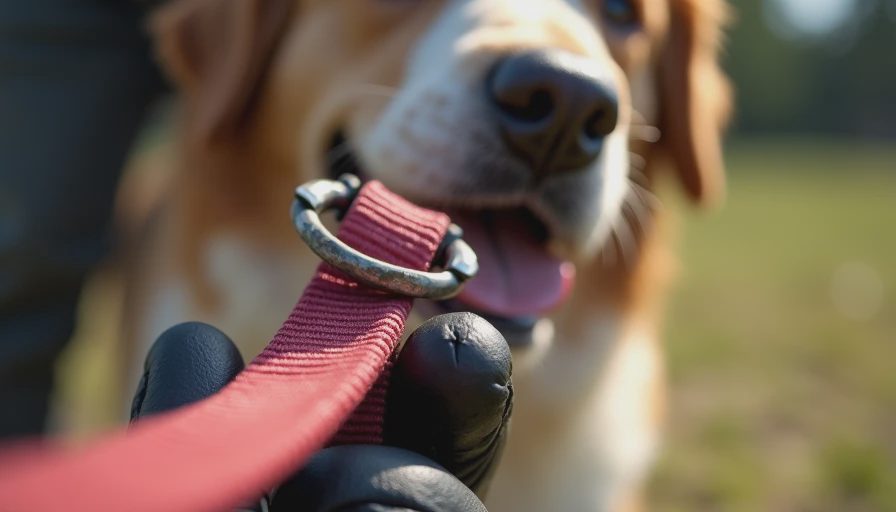
Before training, identify what your dog genuinely values. For one dog, it is tiny pieces of turkey. For another, it is a squeaky toy, a chance to sniff, access to the yard, or permission to greet a familiar person. Reinforcement is not bribery when it is used to strengthen a behavior after it happens. It is feedback, much like a paycheck reinforces work for people.
Keep early sessions short and easy. Say your dog's name once, and when they turn toward you, mark the moment with a calm “yes” and deliver the reward. Repeat five to ten times, then stop while the dog is still engaged. If your dog does not respond, the environment may be too difficult, the reward too weak, or the cue not yet meaningful. Changing those variables is more useful than repeating the word louder.
A simple training log can reveal patterns. Write down the behavior, location, distance from distractions, reward used, and whether the dog succeeded. When I logged Ziggy's reactions, I discovered that he could respond beautifully in the kitchen but struggled in the hallway after sunset. That was data, not defiance.
The everyday skills worth teaching first
A practical dog obedience training plan usually begins with behaviors that make life safer and less stressful. Name response helps you get your dog's attention without grabbing. Hand targeting gives a nervous dog a clear way to move with you. A mat behavior creates a portable place to settle. “Drop” can prevent a dangerous swallowing incident, while “leave it” teaches your dog to disengage before contact.
Recall deserves special care. Start indoors with a low-distraction game: say the cue once, move backward, and reward your dog generously for following. Gradually practice in a fenced area or on a long line. Do not call your dog for something consistently unpleasant, such as ending every walk or receiving a nail trim. Sometimes call, reward, and release the dog back to sniff. That keeps returning to you from predicting the end of fun.
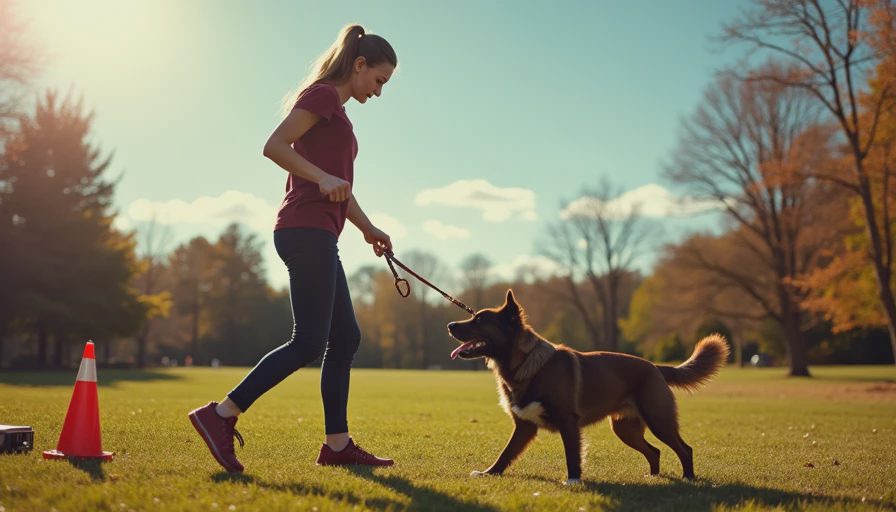
Loose-leash walking is also a gradual skill, not a test of character. Reward your dog near your side, change direction before the leash becomes tight, and let sniffing function as a reinforcer. A front-clip harness can provide management for some dogs, but equipment does not replace teaching.
When anxiety, reactivity, or guarding changes the plan
A dog who barks at visitors, freezes near another dog, or stiffens around a chew needs more than basic cues. First, prevent avoidable rehearsal. Use a baby gate for arrivals, feed dogs separately, close the blinds if window barking is constant, and choose quieter walking routes. Management is not failure; it protects learning while you build new responses.
Then work below the point where your dog explodes. If a dog notices a trigger at 60 feet and can still eat, that may be a workable training distance. At 20 feet, the same dog may be unable to learn. Pair the trigger with something valuable, then increase difficulty in small increments. If the dog stops eating, scans frantically, or pulls hard, create distance and let the nervous system recover.
Resource guarding, sudden aggression, severe separation distress, and abrupt behavior changes deserve professional support. A veterinarian can check for medical contributors and discuss whether anxiety medication might be appropriate. An IAABC-certified behavior consultant or another qualified reward-based professional can help create a safety plan. Avoid trainers who promise dominance fixes or rely on shock, prong, or choke collars as their primary strategy.
A realistic weekly practice plan
Use a five-minute morning session for name response and hand targeting. During the afternoon walk, reward three voluntary check-ins and practice a few loose-leash steps before allowing a sniff break. In the evening, reinforce settling on a mat while something ordinary happens, such as dinner preparation or a television show. Keep one session deliberately easy so your dog finishes with success.
Each week, change only one difficulty variable: location, distance, duration, distraction, or reward value. If you change all five at once, you will not know why the behavior fell apart. Think of it as a small experiment. What happened immediately before the behavior? What did your dog receive afterward? What adjustment would make the next repetition easier?
Dog obedience training should fit the life you actually live. If you rarely have a silent house, do not build a plan that requires one. Practice beside the washing machine, near the front porch, or during the neighbor's normal activity, but keep the challenge low enough for learning.
How to choose help without getting shamed
Ask a trainer to explain what they observe, what function the behavior may serve, how they will measure progress, and what happens if the dog struggles. A good professional should welcome questions about methods and safety. Look for continuing education, transparent qualifications, and a willingness to collaborate with your veterinarian when behavior is intense.
Be cautious of guarantees, “alpha” language, and claims that every problem comes from disobedience. A dog who cannot settle may be overwhelmed, under-exercised, in pain, or missing a skill. A dog who pulls may have learned that pulling reaches interesting smells. The solution starts with understanding the behavior, not assigning a moral label.
The best dog obedience training leaves you with more communication and fewer battles. Some days will be messy. Ziggy still has opinions about delivery trucks, and I have absolutely rewarded the wrong behavior while standing in a parking lot. Progress is not a perfectly responsive dog in every setting. It is a dog who can recover, a guardian who knows what to do next, and a relationship built on information instead of fear.
Start with one behavior, one manageable environment, and one reward your dog loves. Measure small changes, ask for help when safety is involved, and give the process time. Respect the dog.
Talkback
0