Ziggy once dragged me across an Austin parking lot toward a dropped breakfast taco. I planted both feet, apologized to a startled cyclist, and wondered whether I had adopted a tiny sled dog with a terrier haircut. A no pull dog harness did not magically solve that walk, but the right setup gave me enough control to teach a different pattern without choking, jerking, or blaming him.
That distinction matters. Pulling is behavior with a function: your dog may be trying to reach a smell, create distance from a frightening trigger, greet another dog, or simply move faster than you can. Equipment can change the physical conversation, but learning still comes from careful reinforcement and manageable outings.
What a no pull dog harness can and cannot do
The phrase no pull dog harness describes a category, not a guarantee. Most designs use a front chest clip, a back clip, or both. When the leash attaches at the chest, forward pressure can turn the dog slightly toward you instead of allowing the full power of their shoulders to drive straight ahead. That redirection can make a strong dog easier to handle.
It should not function by causing pain. Skip harnesses that tighten sharply around the neck, squeeze the ribs, restrict the shoulders, or depend on frightening corrections. A harness is a management tool, not a substitute for teaching. If your dog stops pulling only because the equipment is uncomfortable, you have suppressed an outward behavior without addressing the emotion or motivation underneath it.
For many dogs, a front-clip harness is most useful during training walks, while a back clip works well for sniffing, hiking, or relaxed movement once the leash is loose. Some guardians use a dual-clip leash for flexibility. A flat collar can remain on for identification, but the leash should not be attached to both devices unless a qualified professional has shown you how to do it safely.
Fit matters more than the label
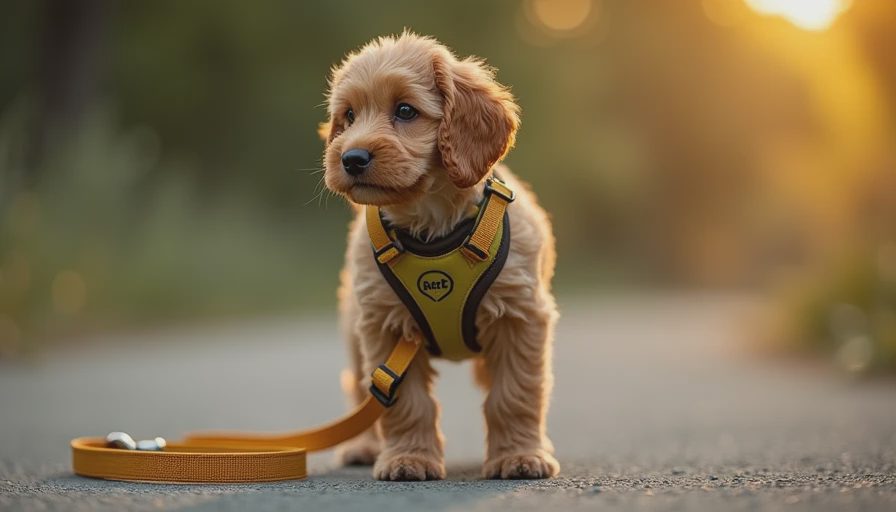
A poorly fitted no pull dog harness can rub behind the elbows, slide over the shoulders, or let a worried dog reverse out of it. Start by measuring the widest part of the rib cage according to the manufacturer’s instructions. When the harness is on, you should generally be able to place two fingers under the straps without forcing them, while the fabric remains secure during gentle movement.
Look at the dog from above and from the side. The chest piece should sit over the breastbone rather than across the throat. Straps should avoid the soft tissue directly behind the front legs. Ask your dog to walk, turn, sit, and sniff. If the harness shifts dramatically, digs into the armpits, or changes the dog’s stride, it needs adjustment or replacement.
I like designs with several adjustment points and a clear, sturdy chest ring. The Blue-9 Balance Harness offers extensive adjustment for dogs whose proportions do not match a standard size chart. Ruffwear’s Front Range is a commonly available everyday option, although every dog still needs an individual fit check. The best product is the one your dog can wear comfortably and cannot escape.
Teach loose-leash walking in small pieces
Before taking a no pull dog harness into a busy neighborhood, introduce it at home. Put it on for a few seconds, feed several small treats, and remove it. Repeat until your dog sees the harness and looks expectantly toward you rather than freezing, scratching, or fleeing. Increase the wearing time gradually while pairing it with something your dog enjoys.
Next, stand in a quiet room with the leash attached. Reward your dog for looking at you, taking one step beside you, or allowing slack to form. Walk three or four steps, then offer a sniff break. Sniffing is not a failure of obedience; it is valuable enrichment and often lowers arousal. If the leash goes tight, stop moving or calmly change direction. The instant your dog returns attention or creates slack, continue forward.
Use food thoughtfully. Hold a treat near your leg for a few steps, then deliver it while the leash is loose. Over time, vary the reward with praise, a toy, access to a tree, or permission to investigate a scent. This teaches the practical rule: staying connected makes good things happen, while pulling does not speed up the walk.
Choose equipment for the actual problem
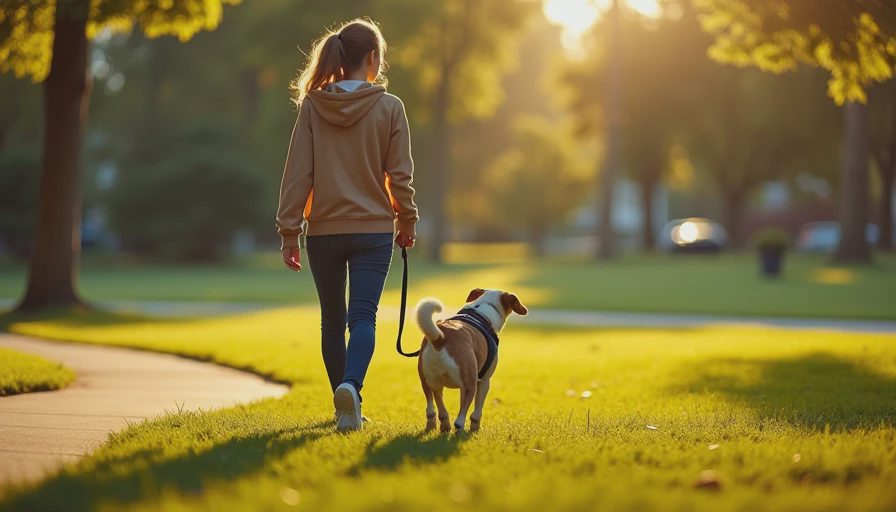
A no pull dog harness can be helpful for a dog who is enthusiastic but physically manageable. It is a different situation when your dog lunges, barks, spins, freezes, or redirects onto the leash. Those signs often indicate fear, frustration, or over-arousal rather than a simple failure to heel.
For a reactive dog, prioritize escape prevention and distance. Use a secure, well-fitted harness, a standard leash rather than a retractable one, and routes where you can see approaching triggers. Avoid introducing a new design during the hardest possible outing. Practice at a distance where your dog can still eat, orient toward you, and respond to a familiar cue.
If your dog has escaped equipment before, ask a qualified force-free trainer or an IAABC-certified consultant to assess the setup. A second connection point may be appropriate for safety, but it should be demonstrated in person. If the behavior appeared suddenly, or your dog seems painful when moving, talk with your veterinarian before treating it as a training issue.
A simple pre-walk checklist
Before leaving, inspect the straps for fraying and check that every buckle is closed. Confirm that the chest ring is not twisted and that you can fit two fingers beneath the snug portions. Bring high-value treats, a normal six-foot leash, waste bags, and a plan for turning away from trouble. Choose a route with visual barriers such as parked cars, hedges, or wide sidewalks.
During the walk, watch your dog’s body rather than waiting for a full lunge. A closed mouth, hard stare, sudden scanning, weight shifted forward, or refusal of food can signal that the situation is becoming too difficult. Turn around early. A successful walk can be eight quiet minutes around the block; it does not have to be a long march that ends with both of you frazzled.
Afterward, record the route, trigger distance, food interest, and recovery time. My product-manager brain loves a spreadsheet, but a note on your phone works just as well. Patterns help you decide whether the current equipment and environment are supporting learning.
Common mistakes that make pulling worse
The first mistake is buying a no pull dog harness and expecting immediate behavior change. The second is using it on a dog whose shoulders or armpits are being rubbed raw. The third is continuing forward while the leash is tight, which can accidentally reward pulling with access to every exciting smell.
Another common error is increasing difficulty too quickly. A dog who walks beautifully in a quiet driveway may struggle near a school, dog park, or construction site. That is information, not defiance. Lower the challenge, increase distance, and reinforce easier choices. If your dog cannot disengage from a trigger, do not keep repeating the cue louder; help them move away.
I also recommend avoiding retractable leashes for early loose-leash training. Their constant tension can make slack difficult to understand, and the thin line is harder to manage during a sudden change in direction. A regular leash gives you clearer feedback and safer handling.
The kindest useful answer
The right no pull dog harness can reduce mechanical advantage, prevent escapes, and give you a safer starting point. It cannot promise a calm dog, erase fear, or replace a behavior plan. Look for comfortable movement, secure fit, and a design that helps you reinforce the choices you want to see.
If walks currently feel like a daily wrestling match, pause before buying the most restrictive product on the shelf. Measure your dog, introduce the equipment slowly, practice in easy places, and get support when lunging or fear is involved. Respect the dog. Then build the walk your dog is actually ready to take.



Talkback
0