Ziggy was sprawled across the kitchen tile, panting hard while the ceiling fan pushed warm air around the room. I had bought a dog cooling mat that afternoon, convinced the right product would solve everything. It did not. He sniffed it, stepped around it, and returned to the tile. That was useful information, not defiance. Dogs have preferences, and a warm, anxious dog may need a gentle introduction before trusting a strange surface.
A dog cooling mat can give your companion a cooler place to settle during hot weather, after a walk, or in a stuffy room. It is not a substitute for shade, water, ventilation, or veterinary care. The goal is simple: offer another comfortable choice, then let the dog decide whether that choice works.
How a dog cooling mat works
Most cooling mats use one of three designs. Pressure-activated gel mats contain a material that feels cool when a dog lies on it. They do not usually require refrigeration, electricity, or added water. Water-filled mats use a thin chamber that absorbs heat and can often be refilled or drained for storage. Elevated mesh beds create airflow underneath the dog rather than drawing heat away through a gel surface.
The best option depends on your dog, not on the most dramatic product description. A heavy chewer may damage a gel mat and swallow its contents. A senior dog with stiff joints may prefer a padded surface instead of a thin, firm mat. A nervous rescue may avoid any item that crinkles, shifts, or smells strongly of plastic. Observe first. If your dog consistently chooses a bathroom floor, shaded concrete, or the space beneath a table, those choices tell you something about temperature, pressure, and security.
Cooling is also relative. A mat stored in direct sun can become uncomfortably hot, while a mat placed on a cool floor may provide a pleasant transition from a warm bed. Touch the surface with your hand before inviting your dog onto it. If it feels hot, sticky, cracked, or unusually swollen, remove it.
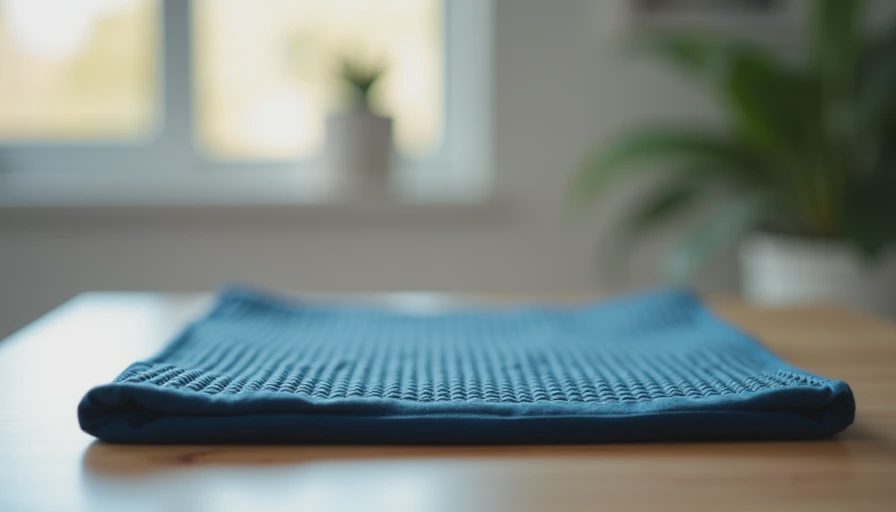
Choosing the right size and material
A dog cooling mat should be large enough for your dog to lie on their side with the head and legs supported. Measure from the nose to the base of the tail, then compare that number with the usable sleeping area rather than the outside dimensions. For a 25-pound terrier mix like Ziggy, a medium mat can work, but an active sleeper often needs the next size up. A cramped dog is less likely to use the product, even when the surface temperature is comfortable.
Look for sealed seams, a durable outer layer, and a cover that can be wiped clean. Brands such as K&H Pet Products, Green Pet Shop, and Furhaven sell different styles, but construction matters more than the logo. Read the care instructions before buying. Some covers unzip for machine washing, while others allow only spot cleaning. A replacement cover can cost less than replacing an entire bed after one muddy afternoon.
Avoid products with loose straps, exposed foam, peeling vinyl, or accessible gel. No cooling surface should be treated as indestructible. If your dog routinely shreds bedding, begin with supervised sessions and consider an elevated cot with a tightly secured mesh panel instead of a soft mat.
Introducing a dog cooling mat without pressure
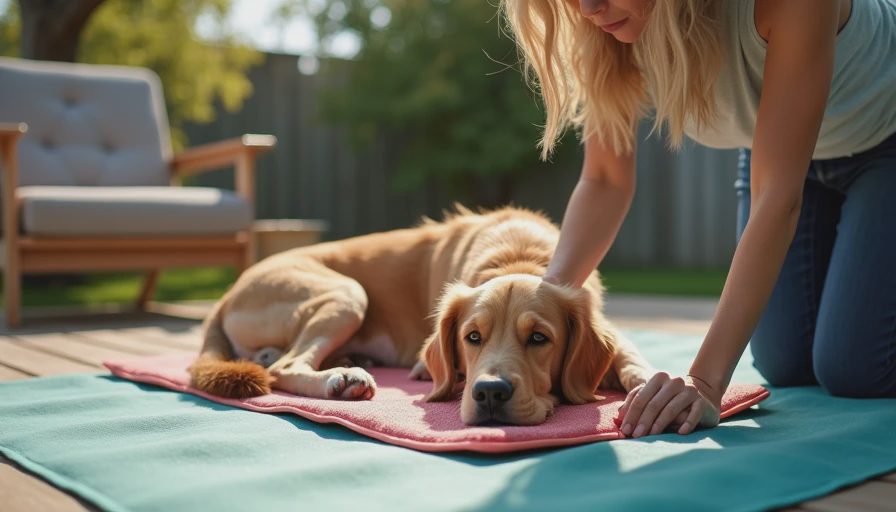
Place the dog cooling mat near a familiar resting area, but not directly in the middle of your dog’s usual bed. Let the dog investigate it while it is flat and still. You can scatter a few treats beside the mat, never forcing paws onto the surface. If your dog touches it, looks at it, or lies near it, that is enough for the first session.
After your dog chooses to step on it, calmly reward the choice. Keep the first sessions short and quiet. Do not drag a dog onto the mat, block an exit, or repeatedly call them back when they leave. Those tactics can turn a useful comfort item into another source of pressure. For a dog with anxiety, control over distance is part of feeling safe.
My own introduction with Ziggy took several days. He eventually used the mat after a warm morning walk, but Maple preferred the tile beside it. Both dogs were making sensible choices for their bodies. Respect the dog.
Safety checks that matter
A dog cooling mat should support comfort, not create a new hazard. Inspect it before every period of unsupervised use, especially if your dog chews fabric or scratches at bedding. Look for punctures, leaks, brittle edges, exposed filling, and unusual bulges. Remove the mat immediately if the surface is damaged. Do not assume a manufacturer’s “non-toxic” wording makes swallowed material harmless; ingestion still warrants a call to your veterinarian or an animal poison service.
Keep fresh drinking water nearby and provide access to shade or air conditioning. Panting, drooling, weakness, vomiting, confusion, unsteady movement, or collapse can signal heat illness. A cooling mat is not first aid for a dog who appears overheated. Move the dog to a cooler area and contact a veterinarian promptly. Never rely on a product to let a dog remain in a parked car, enclosed porch, or poorly ventilated room.
Some dogs dislike sudden cold. Do not freeze a gel mat unless the instructions specifically permit it. Extreme cold can make the surface uncomfortable and may cause condensation or material damage. Room temperature, shade, and airflow are often enough.
Cleaning and placement for real homes
Put the mat on a level surface away from sharp furniture edges and direct sunlight. A kitchen floor may be practical, but a quiet corner can work better for a dog who needs privacy. If the mat slides, place a thin, breathable nonslip layer underneath it; avoid thick blankets that trap heat between the dog and the cooling surface.
Wipe up drool, dirt, and water regularly. Follow the manufacturer’s cleaning directions and avoid harsh chemicals that leave a strong scent. Let the mat dry completely before use. For a dog who has accidents, a washable cover or elevated bed may be easier to maintain than a sealed gel design.
Track actual use for a week. Note the room temperature, time of day, activity level, and whether your dog chooses the mat, tile, bed, or floor. This small log can reveal that the issue is not heat alone. Ziggy used his mat after exercise but ignored it during thunderstorms, when his need for a covered hiding place mattered more than cooling.
When a different solution is better
A mat is only one part of a summer comfort plan. An elevated cot can improve airflow for dogs who dislike gel. A damp, breathable towel may help briefly after outdoor activity, provided it does not stay wet and warm. Frozen enrichment toys can offer cooling plus a calming activity, but supervise them and choose a size appropriate for the dog.
Speak with your veterinarian if your dog pants heavily at rest, tires quickly, has breathing difficulty, or suddenly seeks cool surfaces more than usual. Medical issues, medication effects, pain, and anxiety can all change resting behavior. A product review cannot sort those causes out.
The right setup is the one your dog can approach, leave, and use safely. If a dog cooling mat becomes part of that setup, introduce it gradually, inspect it often, and pair it with water, shade, and sensible heat precautions. Comfort is not a performance test. Give your dog choices, watch the signals, and adjust the environment with care.



Talkback
0