Ziggy was under the kitchen table, staring at me beside a fresh puddle of diarrhea. I had changed his food twice that month, bought an expensive limited-ingredient bag, and read enough internet advice to feel both confident and completely lost. Finding the best dog food for sensitive stomach issues is not about discovering one magical protein. It is about identifying patterns, ruling out medical problems, and making one careful change at a time.
What “sensitive stomach” can actually mean
Sensitive stomach is a useful everyday phrase, but it is not a diagnosis. A dog with occasional loose stool after stealing half a sandwich has a different problem from a dog with recurring vomiting, weight loss, blood in the stool, or chronic itching. Food intolerance, food allergy, parasites, pancreatitis, inflammatory bowel disease, stress, and eating too quickly can all look similar at first.
That is why the best dog food for sensitive stomach symptoms depends on the dog in front of you. A food that helps Maple, my dignified ten-year-old retriever mix, might be entirely wrong for Ziggy, who treats sidewalk objects like a tasting menu. Your veterinarian can examine your dog, review the history, and decide whether fecal testing, bloodwork, or a formal elimination diet makes sense.
Do not wait on a food experiment if your dog has repeated vomiting, black or bloody stool, a painful or swollen abdomen, marked lethargy, dehydration, or refuses food. Puppies, seniors, and dogs with existing medical conditions deserve an especially low threshold for professional advice.
How to compare dog foods without getting distracted
Start with the nutrition label, not the marketing words on the front of the bag. “Natural,” “holistic,” “premium,” and “limited ingredient” do not by themselves prove that a recipe will digest well. Look for a food labeled complete and balanced for your dog’s life stage. In the United States, that statement should correspond to an AAFCO nutrient profile or feeding-trial language.
The manufacturer matters, too. WSAVA’s nutrition guidance encourages guardians to ask who formulates the food, what quality-control testing is used, whether nutrition research exists, and whether the company can provide clear contact information. Brands such as Purina Pro Plan, Hill’s Science Diet, and Royal Canin offer mainstream sensitive-digestion formulas, while veterinary clinics may recommend prescription diets when a dog needs hydrolyzed protein or a tightly controlled therapeutic trial. These are starting points, not automatic winners.
Read the calorie content and feeding directions. Two cups of food can represent very different calories depending on the recipe. Overfeeding can create soft stool even when the ingredients are appropriate.
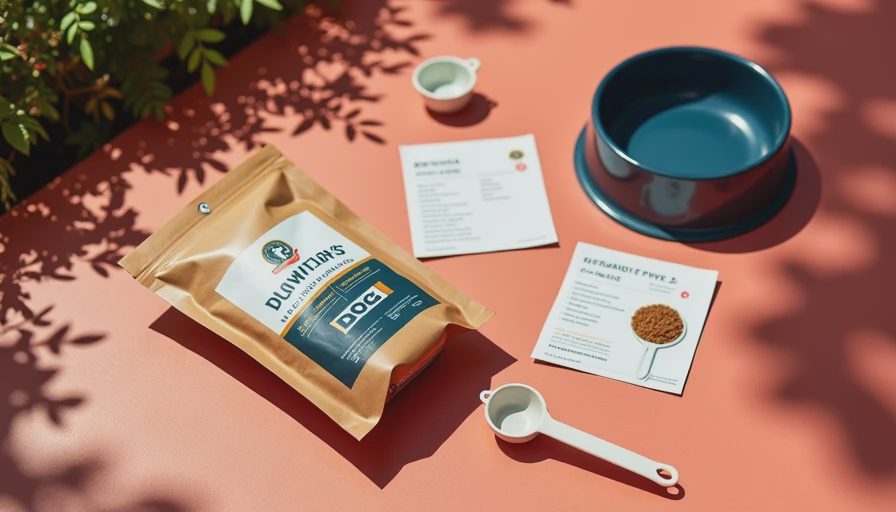
Ingredients that may support easier digestion
Many dogs do well with a highly digestible recipe containing a familiar protein, moderate fat, and a simple carbohydrate source such as rice or potato. Some sensitive-digestion foods include prebiotic fibers or specific fiber blends to support normal stool quality. Fiber is not universally better, though; the amount and type matter, and a sudden increase can cause gas.
Novel-protein diets use a protein your dog has not eaten before, such as venison or rabbit. They can be useful during a veterinarian-guided elimination trial, but novelty disappears once the ingredient becomes a regular part of the diet. Over-the-counter novel-protein foods can also have trace contamination from other proteins during manufacturing, which is one reason prescription diets are often preferred for a strict allergy investigation.
Grain-free is not the same as stomach-friendly. Removing grains does not automatically solve digestive trouble, and grain-free recipes often replace grains with peas, lentils, potatoes, or other ingredients. Ask your veterinarian before making a major dietary change, especially if your dog has heart concerns or a complicated medical history.
Make the transition boring on purpose
A dramatic food switch is one of the easiest ways to create digestive chaos. Unless your veterinarian gives different instructions, transition gradually over about seven days. Begin with mostly the old food and a small portion of the new food. Increase the new food in stages while watching stool, appetite, energy, gas, and vomiting.
Keep treats, chews, table scraps, supplements, and flavored medications consistent during the transition. If you change five things at once, you will not know which change helped or caused trouble. For training, reserve part of your dog’s daily kibble rather than adding a pile of new treats. A food diary can be simple: write the date, meals, treats, stool description, and any unusual event such as boarding, intense exercise, or a stressful visitor.
If stool worsens significantly, pause the experiment and contact your veterinarian. Do not repeatedly cycle through foods every few days. Ziggy’s gut did not need another exciting solution; it needed fewer variables and a plan I could actually follow.

Portion size, schedule, and eating speed matter
The best dog food for sensitive stomach care can still cause problems if the portion is too large. Compare the label’s calories per cup with your dog’s current intake, then adjust based on body condition and veterinary guidance. A dog who is gaining weight may need fewer calories, while an underweight dog needs an evaluation rather than simply unlimited food.
Some dogs digest better with two or three measured meals instead of one large meal. A slow-feeder bowl, food puzzle, or scatter feeding can reduce frantic gulping, provided the dog is comfortable using it. For a dog with anxiety around food, do not force a puzzle or remove the bowl as a training exercise. Give the dog enough space to eat without pressure. Respect the dog; digestion and emotional safety are connected more often than our tidy feeding plans admit.
Keep fresh water available. Store dry food in its original bag inside an airtight container, and wash bowls regularly. Rancid food, excessive treats, and poorly stored leftovers can undermine an otherwise sensible diet.
A simple decision process for your next step
First, write down the symptoms and how often they occur. Second, schedule a veterinary appointment if the problem is recurring or includes any warning sign. Third, choose one nutritionally complete food or veterinarian-directed diet. Fourth, transition gradually unless medical instructions say otherwise. Fifth, measure meals and hold the rest of the diet steady. Finally, review the diary after several weeks with your veterinarian instead of judging the food after one soft stool.
If a formal elimination diet is recommended, follow it precisely for the full period your veterinarian specifies. That usually means no flavored chews, shared snacks, or mystery treats. The goal is not merely to find a food your dog tolerates; it is to gather clean information about what affects your dog.
The best dog food for sensitive stomach needs is the one that fits the medical question, supplies complete nutrition, and works for your household consistently. You do not need a dramatic label or a pantry full of abandoned bags. You need observation, a measured transition, and help when symptoms exceed a food problem. That is how I eventually helped Ziggy: less internet panic, more data, and one respectful change at a time.



Talkback
0