Ziggy was under the dining table, shaking, while I held a new leash in one hand and a receipt in the other. I had searched for the best dog collar, bought a popular-looking one, and discovered that “comfortable” meant very little when a sensitive terrier mix hit the end of the leash. The collar did not make Ziggy anxious, but the wrong fit gave him fewer comfortable options when the world already felt too loud.
Choosing equipment is not a personality test for you or your dog. It is a practical behavior and safety decision. The best dog collar should fit without choking, stay secure during normal movement, and give your dog room to sniff, turn, and communicate without unnecessary pressure. For dogs who pull, lunge, freeze, or panic, collar selection deserves more thought than color and matching tags.
Start with the behavior, not the shopping list
First, ask what the collar needs to do. An everyday identification collar has a different job from equipment used for supervised walking. If your dog strolls beside you and rarely backs away, a flat collar with a sturdy buckle may be enough. If your dog reverses out of collars when frightened, security becomes the first concern. If your dog coughs, gags, or struggles when the leash tightens, the current setup is giving you useful information: pressure is affecting them.
A collar cannot treat separation anxiety, fear, or reactivity. It can, however, avoid adding discomfort during a difficult moment. Research and professional behavior organizations consistently support reward-based training and warn against tools designed to cause pain or fear. That is why I do not recommend choke chains, prong collars, or electronic collars. A visible behavior change produced by intimidation is not the same as a dog feeling safer or learning a useful alternative.
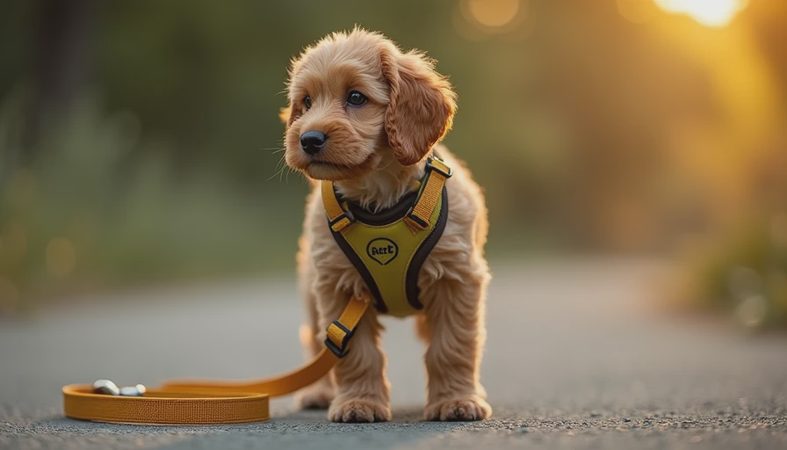
For a nervous dog, consider using a comfortable harness for leash attachment while keeping a flat collar for identification. This separates the safety function from the walking function. Ask your veterinarian or a qualified, reward-based behavior professional for help if your dog has neck pain, repeated coughing, or sudden resistance to handling.
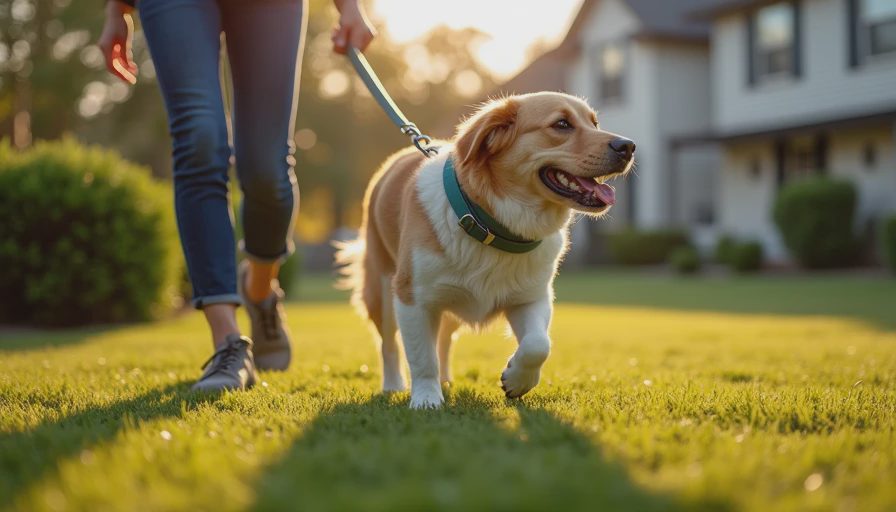
How to identify the best dog collar for your dog
Material matters, but fit matters more. Measure around the middle of your dog’s neck with a soft tape measure, then check the manufacturer’s sizing chart. Do not estimate from breed labels alone. A slim Greyhound and a compact bulldog can weigh similar amounts while needing very different shapes.
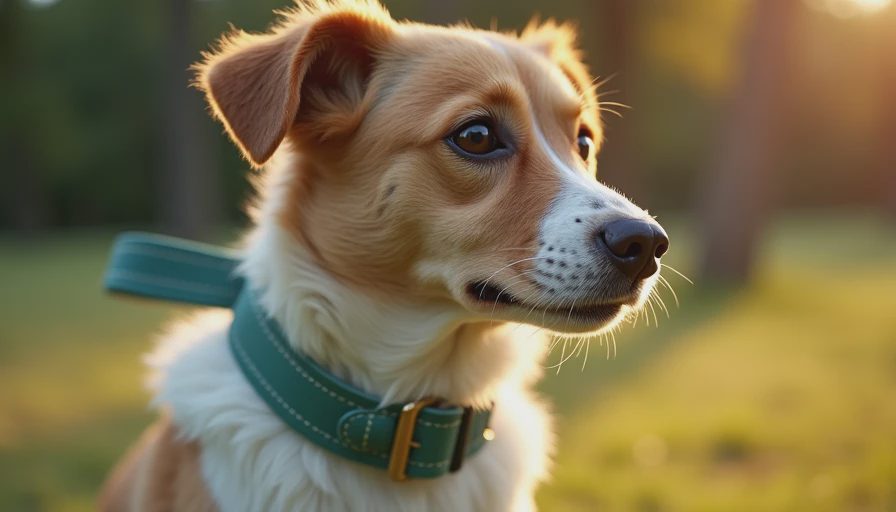
After fastening the collar, slide two fingers between the collar and your dog’s neck. The collar should not rotate constantly, rub under the jaw, or press into the throat. Your dog should be able to swallow and move the head normally. Check the fit again after a few minutes of walking because fur can compress and buckles can shift.
Watch the escape test in a quiet room. Gently guide your dog backward with the leash slack, never jerking. If the collar slides over the ears, it is not secure enough for that dog. A martingale-style collar can reduce backing out when properly fitted, but it should not tighten continuously or be left on an unattended dog. For a dog who is exceptionally skilled at escaping, a harness with a secondary safety connection may be more practical.
The best dog collar is also one your dog can wear safely. Remove collars during unsupervised crate time if they could snag, and inspect stitching, buckle cracks, and tag rings regularly. Wash fabric collars according to the label, especially after swimming. A collar that smells sour, has frayed edges, or opens under mild pressure has reached retirement, regardless of how much it cost.
Collar types and when they make sense
A flat collar is the simplest choice for identification and everyday wear. Look for smooth edges, a reliable buckle, and a D-ring that does not bend when you apply light hand pressure. Biothane is easy to wipe clean, while nylon is usually affordable and widely available. Leather can be comfortable when maintained, but wet leather can stiffen and irritate skin.
A breakaway collar is designed to release if it becomes caught. That feature can be useful around fences, branches, or other snag hazards, though it is not always appropriate as the only walking connection. A waterproof collar helps swimmers and muddy hikers, but rinse away grit before it rubs the neck.
A martingale collar is often useful for narrow-headed dogs or dogs who back out of standard collars. It should rest high on the neck without tightening against the throat. Never use it as a correction device, and supervise its use. For most pullers, a well-fitted Y-shaped harness can distribute force more comfortably than asking a collar to manage the entire body.
Avoid choosing the best dog collar based on a dramatic promise such as “stops pulling instantly.” Pulling is behavior with causes: excitement, fear, limited leash skills, or an environment that is too challenging. Equipment can improve safety while training teaches a different response.
A simple home trial before your first walk
Put the collar on indoors and pair it with something your dog enjoys, such as scattered treats, a food puzzle, or a short sniffing game. Keep the first session brief. Observe whether your dog scratches, freezes, lowers the head, rubs the neck on furniture, or avoids you when you reach toward the buckle. Those signs do not mean your dog is being difficult. They mean the introduction needs to slow down or the equipment may not feel comfortable.
Next, attach the leash only while you are standing still. Reward your dog for looking at you, taking one step, and relaxing the leash. Practice near the front door before adding sidewalks, traffic, or other dogs. If the collar seems fine inside but your dog panics outdoors, the environment—not necessarily the collar—is the harder part. Lower the difficulty and build gradually.
Take a quick photo of the fit from the side. You can compare it after a week and notice whether the collar has stretched or migrated. Keep a note of rubbing, coughing, escape attempts, and recovery time after surprises. This turns vague worry into useful information.
My practical recommendation
For Maple, my dignified senior retriever mix, I use a smooth flat collar for identification and a comfortable harness for walks. For Ziggy, I am more careful: his collar is checked before every outing, and the leash connects to equipment he cannot easily reverse out of. I learned this after one humiliating parking-lot scramble in which I apologized to a shrub while trying to recover my tiny escape artist.
Your best dog collar may be a simple nylon flat collar, a breakaway design for home safety, or a properly fitted martingale paired with separate walking equipment. The right answer depends on neck shape, coat, escape skills, medical comfort, and the situations your dog actually faces. Products are tools, not verdicts on your training.
Before buying, confirm these details: measure the neck, inspect the adjustment range, test two-finger spacing, check that tags do not hang under the throat, and plan how the leash will attach. Recheck the collar after grooming, weight changes, bathing, and vigorous play. Replace it when the hardware or stitching no longer inspires confidence.
If walks involve lunging, fear, or repeated escape attempts, work on the behavior alongside the equipment. A certified behavior consultant or reward-based trainer can help you identify triggers and create a plan that protects everyone’s safety. Talk with your veterinarian about any pain, skin irritation, coughing, or sudden change in tolerance.
The best dog collar is the one that supports safety without asking discomfort to do the work of communication. Start with fit, watch your dog’s body language, and adjust when the evidence tells you to. Respect the dog.

Talkback
0