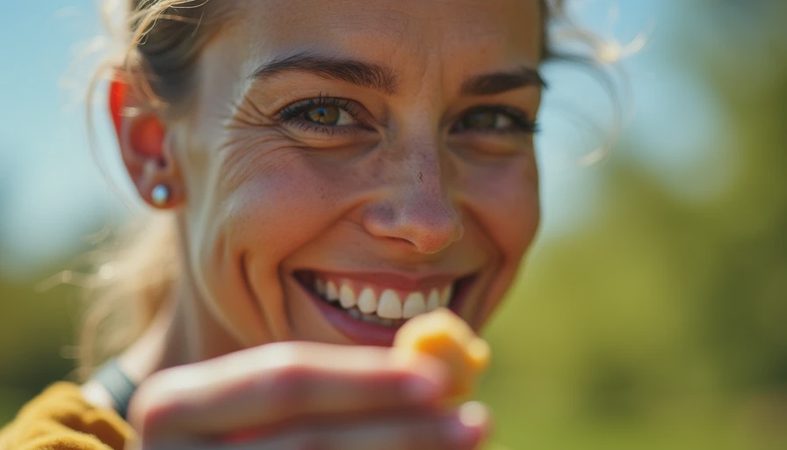
Ziggy was under the dining table, shaking, while I held a piece of chicken and questioned every decision that had brought us to that Tuesday night. Positive Reinforcement sounded simple in theory, but my anxious rescue was not interested in performing cheerful obedience for strangers on the internet. He needed safety first. I needed a plan that did not punish panic.
Positive Reinforcement means adding something the dog wants immediately after a behavior, making that behavior more likely in the future. Food is common, but play, sniffing, access to a favorite person, or moving farther from a scary trigger can also function as rewards. The point is not bribery. It is clear communication: that choice worked, and I will help you make it again.
What Positive Reinforcement actually changes
Dogs repeat behaviors that produce useful outcomes. If a dog sits and receives a treat, sitting can become more valuable. If a reactive dog looks at a passing skateboard and then gets distance from it, calm observation gains a practical consequence. Positive Reinforcement gives the dog information without adding fear, pain, or confusion.
This distinction matters for dogs who bark, lunge, freeze, guard food, or hide. Those behaviors have a function. Barking might create distance. Growling might warn that a dog feels trapped. Stealing a sock might start a thrilling chase. Punishing the visible behavior can suppress the warning while leaving the underlying emotion untouched. A dog who stops growling is not necessarily a dog who feels safer.
Research supports focusing on reward-based methods. A 2020 study by Vieira de Castro and colleagues in PLOS ONE found that dogs trained with more aversive methods showed poorer welfare indicators than dogs trained with reward-based methods. Earlier work by Herron, Shofer, and Reisner also connected confrontational techniques with fear-related and aggressive responses. This does not mean every imperfect moment ruins your relationship. It means we have a better direction to choose.
I learned that distinction the hard way. When Ziggy barked at visitors, I initially asked for a sit before I had addressed the terrifying person entering his home. The cue was not the problem. My timing was. I was asking for concentration from a nervous system already running at full volume.
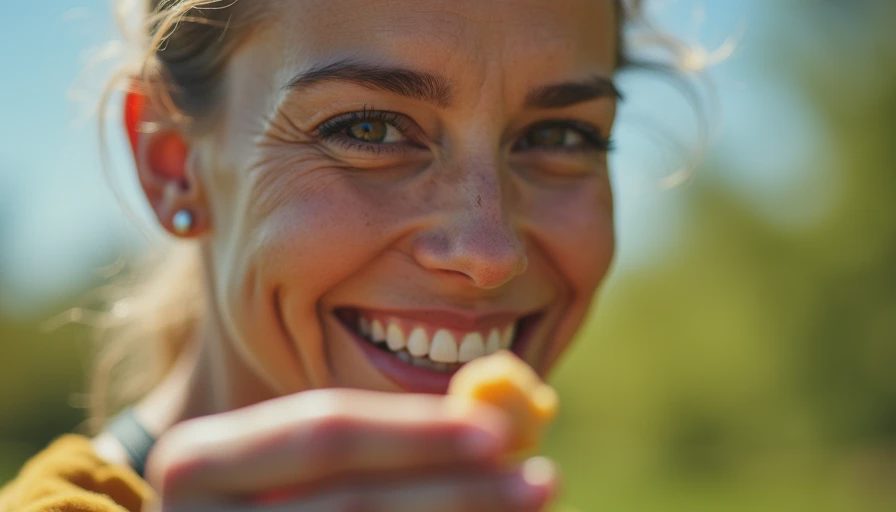
Start below the boiling point
Positive Reinforcement works best when a dog can still eat, think, and notice you. That is the green zone. In the yellow zone, the dog may stare, stiffen, pace, or take treats roughly. In the red zone, the dog may bark, lunge, hide, snap, or refuse food. Training in red is usually too difficult; management and distance come first.
Try this simple process. Identify the trigger, such as a dog across the street. Begin far enough away that your dog can glance at it and then turn back to you. Mark that moment with a calm word like “yes,” and deliver a small, high-value treat. Repeat while the trigger remains comfortably distant. If your dog cannot eat, increase distance immediately rather than waving the food closer to the trigger.
The reward should arrive after the behavior you want. If your dog sees the trigger, checks in, and receives chicken, you are building a check-in pattern. If your dog is already barking and you shove food toward their face, you are attempting emergency management, not teaching a reliable alternative. Both can be useful, but they are different tools.
A practical reward menu
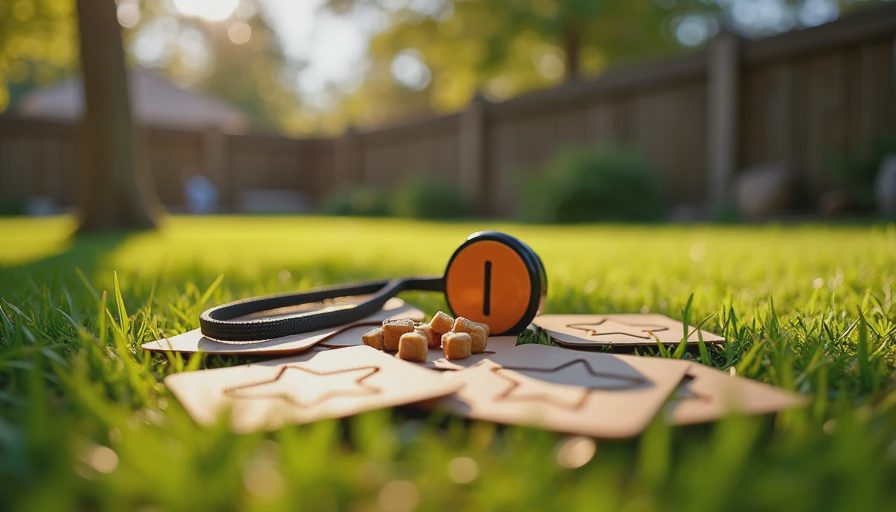
Positive Reinforcement does not require expensive training treats. Make a menu of rewards your dog already values. Soft food such as turkey, cheese, or a commercial training treat is useful for difficult work. Kibble can handle easy repetitions at home. A tossed toy may motivate a playful dog, while a sniff break may matter more to a dog who finds the environment fascinating.
You can test reward value instead of guessing. Offer two safe options during calm moments and observe which one your dog chooses first. Keep pieces tiny; a pea-sized treat is enough for many dogs. For dogs with allergies, sensitive stomachs, or medical restrictions, ask your veterinarian what foods fit safely.
Use rewards strategically, not constantly. If your puppy walks three steps beside you, reward those three steps. If an adult dog has been frightened of nail handling, reward looking at the clippers before expecting a paw touch. The training plan should make success easy enough that the dog can keep participating.
Here is the worksheet I wish I had during Ziggy's first month. Write the trigger or situation, your dog's early stress signals, the distance or difficulty level, the behavior you want, the reward used, and what happened afterward. After five sessions, look for patterns. Did chicken work outdoors? Was the hallway too narrow? Did the dog need a shorter session? Notes turn vague frustration into useful data.
What to do when things go wrong
A setback is information, not a moral verdict. If your dog barks at a guest, guide the guest away, create space, and let everyone decompress. Do not force an interaction to prove that the dog is fine. Later, reduce the challenge: practice a knock sound at low volume, reward orienting toward you, and stop before stress climbs.
Positive Reinforcement can also support resource guarding, but serious guarding deserves professional help from an IAABC-certified consultant or a veterinary behaviorist. Do not take food or prized objects away to show who is in charge. Trade for something better from a safe distance, and keep children away from guarding situations. Talk with your veterinarian if pain, appetite changes, sleep disruption, or sudden behavior changes are involved.
For separation-related distress, avoid simply waiting out panic. A behavior professional can help design gradual absences, while your veterinarian can advise whether anti-anxiety medication might be appropriate. Medication is not a training failure; neither is asking for help when the plan exceeds what you can safely manage.
Build a humane training routine
Positive Reinforcement becomes effective through repetition and good setup, not heroic endurance. Keep sessions short enough to end with a successful response. Practice in familiar rooms before adding a sidewalk, parking lot, or busy patio. Change one variable at a time: distance, duration, distraction, or movement.
A useful weekly routine might include three minutes of name-response practice in the kitchen, five calm passes near a low-level trigger, and one enrichment activity such as scatter feeding or a food puzzle. Add management too: close the blinds during delivery hours, use a baby gate around meals, and choose quieter walking routes. Preventing rehearsal of frantic behavior gives the new skills room to grow.
Progress may look surprisingly small. A dog who used to react at thirty feet might first succeed at twenty-five feet. A guarded bowl might become safe to approach only after several weeks of predictable trades. Measure the starting point honestly, then celebrate improved recovery, softer body language, and faster check-ins rather than demanding perfection.
Positive Reinforcement is not permissiveness, and it is not pretending every behavior is adorable. It is a disciplined way to teach while respecting the dog in front of you. We can set boundaries, protect people, and change dangerous routines without using fear as the lesson. That was the shift that helped Ziggy—and eventually helped me stop treating every hard day as evidence that I had failed.
Begin with one behavior, one reward, and one level of difficulty your dog can handle. Keep your notes. Adjust early. Get qualified support when safety or panic is involved. Respect the dog.